When I imagine Kochi ( major port city of Kerala, India), I conjure images of coconut trees, lungi-clad men, and houseboats.
However, when I spent two amazing days in this port city, it was much richer and culturally happening than how the best places to see in Kochi blogs describe it.
If you only have 2 days in Kochi, these are the places genuinely worth your time, along with a few tourist spots that looked better online than in person.
Here’s an experiential travel guide on Kochi, with things you must do and places you can skip.
At a glance: Kochi in 2 Days
| Ideal visit | 2–3 days |
| Must-see | Fort Kochi (sunset + Chinese fishing nets), Mattancherry Palace, Jew Street & Paradesi Synagogue, Kerala Folklore Museum, |
| Budget (approx.) | INR 1500–3500/day (mid-range) |
| Getting there | Flights and trains available from all major metro cities |
| Best time to visit | October to February (February can still be warm) |
First Impressions: What Kochi Actually Feels Like
We started our Kerala itinerary from Kochi before travelling to the other parts of the state to explore this historical city, which has sheltered people of varied nationalities, religions, and ideologies.
Kochi felt like a part of everyone who has lived here: it’s a confluence of different cultures, and still manages to retain its true core: rustic, modern, yet rooted.
And its airport precisely demonstrates that.
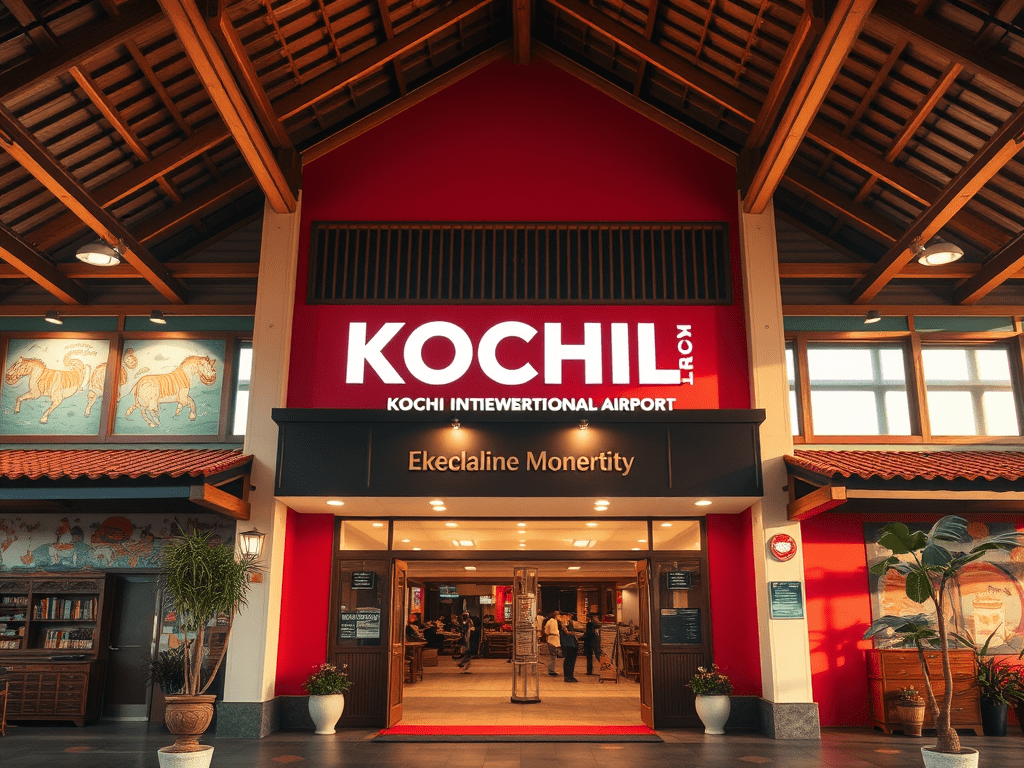
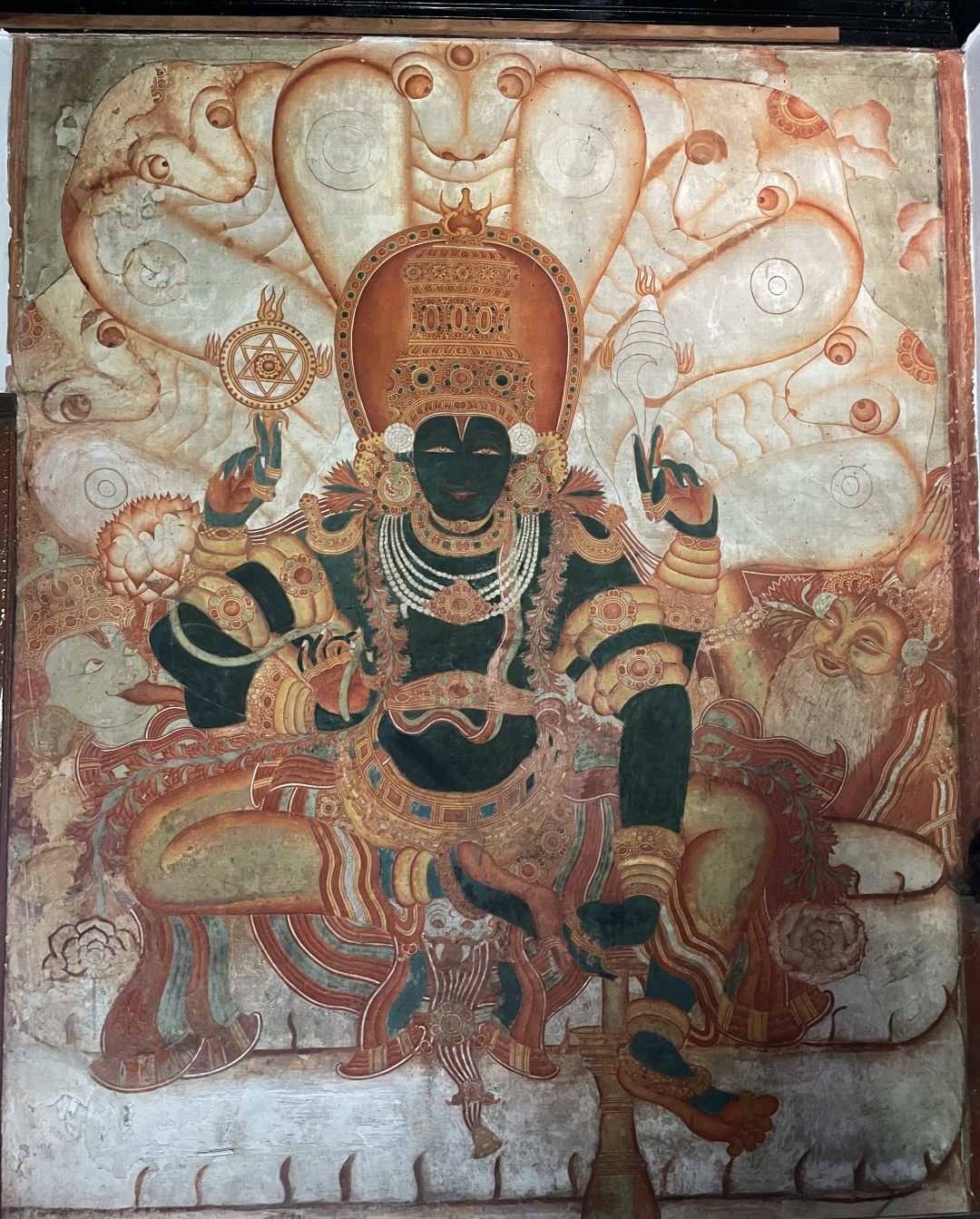
Unlike other airports adorned with steel-and-glass coldness , Kochi Airport feels homely & rustic with wooden banisters, divans, and a mural of Maharaj Bali welcoming you- a true Keralite charm.
Stepping outside the airport gave us similar vibe with lungi clad men, humidity smell & tiled slanted roofs.
Related Read: Kerala Travel Guide for First- Time Travellers
Fun fact: Kochi International Airport is the first fully solar-powered airport in Asia.

Mural of Mahabali on the wall of Kochi Airport in KeralaWhat’s the Weather in Kochi LIke?
Being a coastal city, Kochi is supposed to be very humid in the summer months.
However, we were not prepared to be met by heat emanating like a fireball, considering we visited during late February, which, in general, is a pleasant weather month for the southern part of the state.
Although the weather in Munnar was still cooler.
Best Places to See in Kochi
| Attraction | Entry Fees | Best Timings | Time Needed |
| Mattancherry Palace | ₹5 for adults, 0 for kids below 15 years. | 10:00 am – 5:00 pm, Closed on Friday | 30 min – 45 min |
| Kerala Folklore Museum | ₹150 adults | 9:30am–6:30pm, Monday and Friday closed | 1.5–2 hrs |
| Kathakali Show | ₹500 | 5: 00 pm – 7: 00 pm, Every Day | 2 hrs |
| Paradesi Synagogue | Free | 10 am to 12 noon; 3 pm to 5 pm. Every day except Fridays, Saturdays and Jewish holidays | 20-30 min |
| Fort Kochi Beach | Free | Sunrise- Sunset. | 1-2 hrs |
| Navy Maritime Museum | ₹50 for adults and ₹25 for children | Tuesdays to Friday. 09:30 AM to 01:30 PM. 02:30 PM to 05:30 PM. Open till 8:00 pm on weekends. | 30 min- 45 min |
Here’s how you can spend 2 days in Kochi.
Best Places To See in Kochi – Day 1
Inhabited by many different communities and people, Kochi is a multicultural city, as reflected in its architecture, tourist attractions, and cuisine.
Which is why we decided to zero in on the best places to see in Kochi with the help of friends who have visited before.
A tip from the wise: Decide what you are expecting from your travel and the experience you are looking for: is it experiential, luxury, rest, or fun. Our plan was simple: we wanted to get to know Kerala from within.
If you arrive in the morning, check into your hotel and walk around the Ernakulam market area.
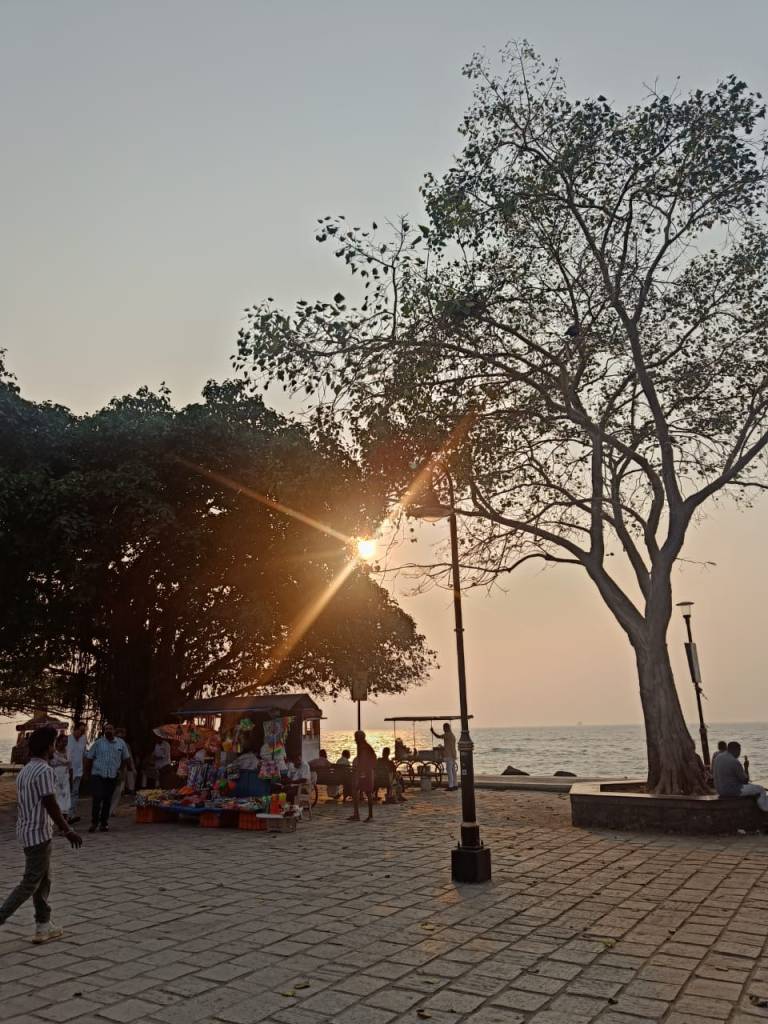
Because Fort Kochi is best saved for late afternoon when the light is golden and the heat drops. It is the perfect place to start your Kerala tour, staring at the sunset, letting the sea winds brush your face.
Here’s how I would suggest you experience Kochi through my lens.
Start with Cochin’s History at the Indian Navy Maritime Museum
We started with the Indian Navy Museum, one of the most overlooked places in the city.
Steeped richly in Indian history and legacy, this old-style building displays warship models, old commander uniforms, & life-sized weapons, among the many successful stories of the Indian Navy.
The museum gave us insights into Kochi’s rich history as a port city that attracted traders from across the world, including the Arabs, Portuguese, Dutch, and eventually the British.
Though slightly overwhelming, it was still a detailed and immersive experience, with its charm lying in how authentically it preserved the history of the Indian Navy and Kochi.

Bid Adieu to Sunset at Fort Kochi
A little exhausted by the heat and travelling, we decided to end the day at Fort Kochi.
Quick Tip: Beaches can get quite warm and humid during afternoons Reserve exploring Fort Kochi in the morning or evening after the weather cools down.
A promenade lined with remnants of the old fort, leafy avenues, and a long stretch of beach, Fort Kochi has quaint cafes and colonial houses huddled together with Kerala-style houses and shops – a reflection of Arab, Chinese, and European merchants who regularly visited this port city.
We loved how it felt: laid-back yet vibrant, soaked in multicultural history, from British and Portuguese bungalows to quirky, Pinterest-worthy cafes.
There were several small vendors on the waterfront, selling toys, jewellery, food, and clothes.
Enjoying the cool breeze, we spent hours looking at the Chinese Fishing nets, enjoying the sunset, and munching on raw mango and tamarind, which we bought from one of the stalls.
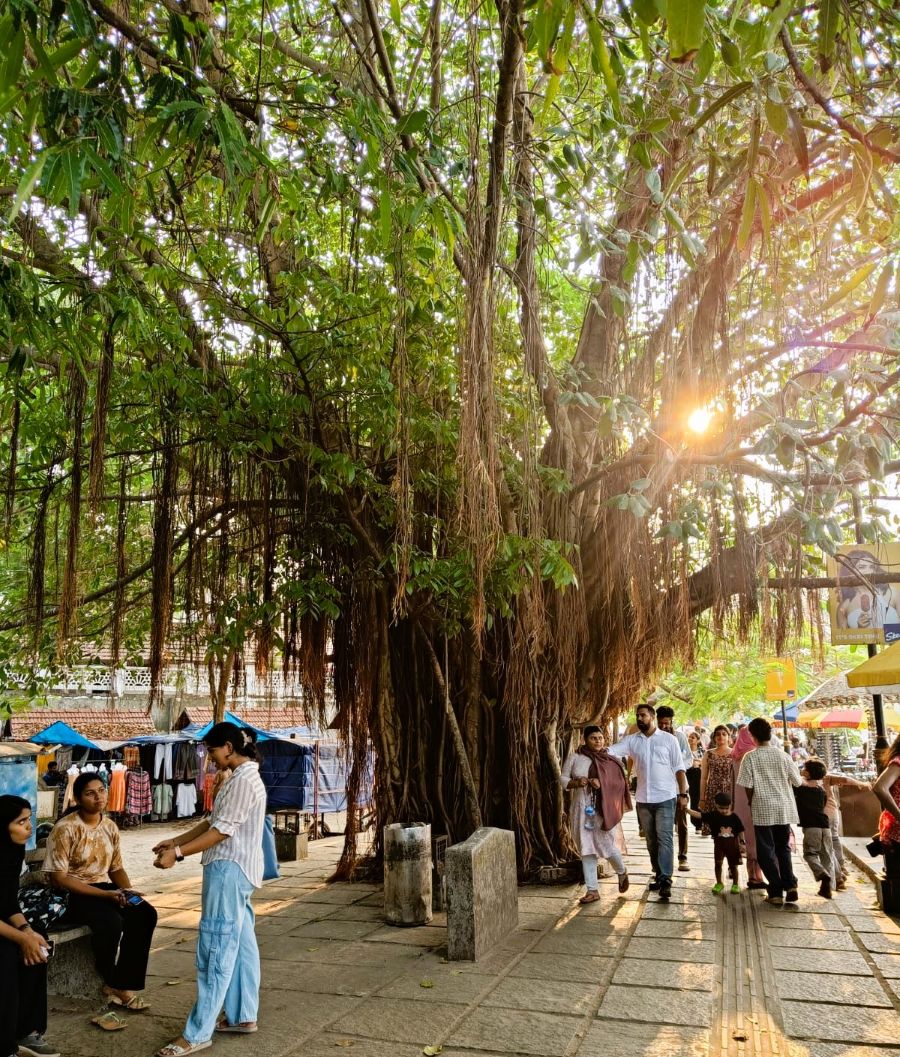
You can comfortably explore the entire area on foot, but it can be tiring, especially with the humidity and heat. Keep yourself hydrated and carry all Kerala packing essentials, a hat, and sunscreen, to name a few.
Alternatively, you can also hail an auto rickshaw to travel around or rest a while in the adjacent park, watching the waves.
Chinese Fishing Nets
While you are around the waterfront, do not miss the unique way of fishing through Chinese fishing nets.
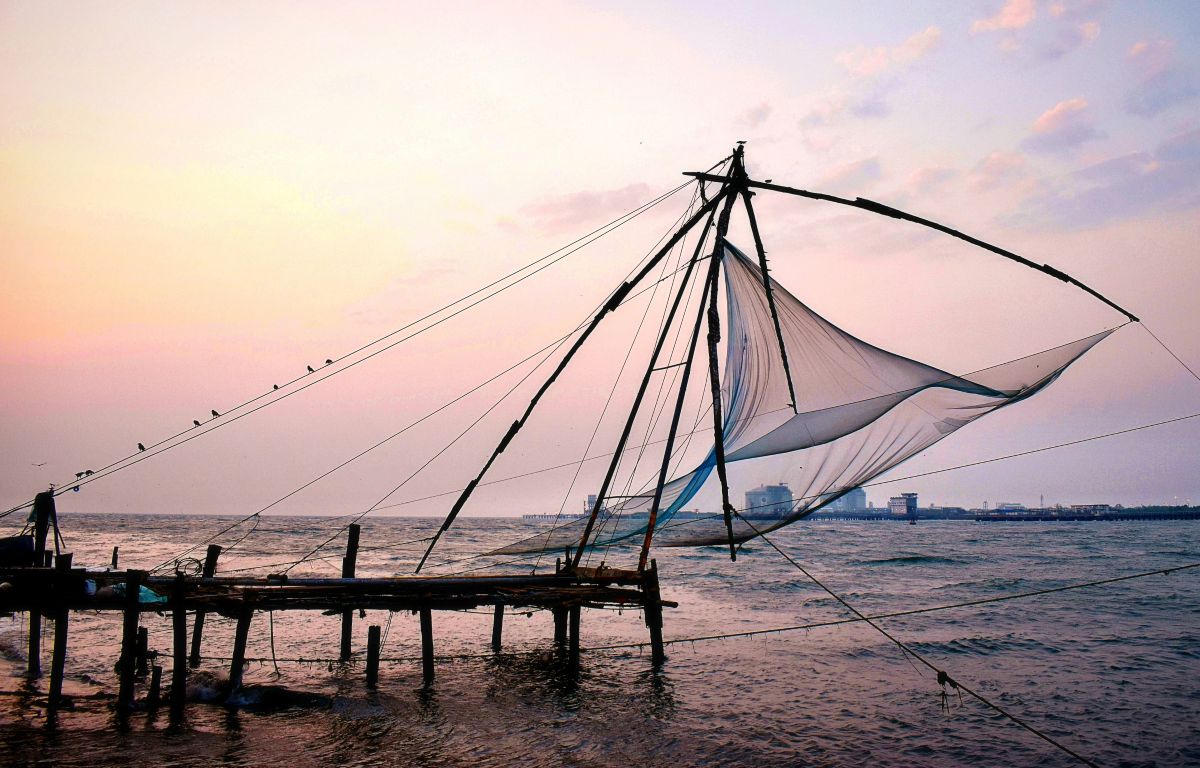
The Chinese Fishing Nets are one of the most iconic sights in Kochi, where fishermen lower massive cantilevered nets into the water every few minutes.
It felt mesmerizing to watch something so routine and ordinary, which may be why the nets are one of the city’s most unique symbols.
Introduced centuries ago by Chinese traders, the nets also reflect how Kochi has absorbed cultures, traditions, and influences from the many communities that passed through its shores over time.
Note: If you expect it to look exactly like the images you see on Google, you might get disappointed. Unless you choose a specific sunrise and sunset time, you might not find it as alluring as the internet pictures.
When we visited, I couldn’t get a pretty picture because the surroundings were littered with fishing nets and some trash.

Where to Eat Near Fort Kochi
While strolling along the very beautiful heritage walk of Fort Kochi, do not miss out on exploring the many Pinteresty Cafes and restaurants.
Priced on the higher side (you could spend Rs. 1.5-2k or approximately $18-24 for two people), these restaurants and cafes were a perfect place to cool down after a sweaty walk on the promenade.
Allured by the earthy exterior and quaint look, we entered a small, yoga studio-cum cafe called ‘Loving Earth.
It was within walking distance to the promenade, adjacent to a bright red FabIndia store, and had great reviews online.

We loved the ambiance and vibe, laced with creepers on its roof and an attractive fence as its boundary wall.
I loved that it was extremely cool and comfortable inside with a pleasant ambiance, probably due to the canopy of vines covering the main eating area.
They serve a vegan, gluten-free cafe that serves plant-based food. We ordered garlic bread and refreshing coolers that were sure delicious, craftily served in plant-based utensils.
It was the perfect closure of a slow day 1 for our Kochi trip.
Day 2: Explore the Different Culture
We reserved day 2 for exploring the common tourist places, albeit at our own leisure.
And because we love cultural history, we started with the museum again.
🏯 Morning: Mattancherry Palace (Dutch Palace)
Only a few minutes’ drive from our hotel was the very famous and deeply immersive Mattancherry Palace.
Also known as the Dutch Palace, it was built by the Portuguese in 1555 and later renovated by the Dutch ( that’s why the name).
The outer facade isn’t fancy at all. It is just a simple wooden exterior, a stairway, and a corrugated roof.
However, inside, it feels like a time capsule of Kerala’s royal past.
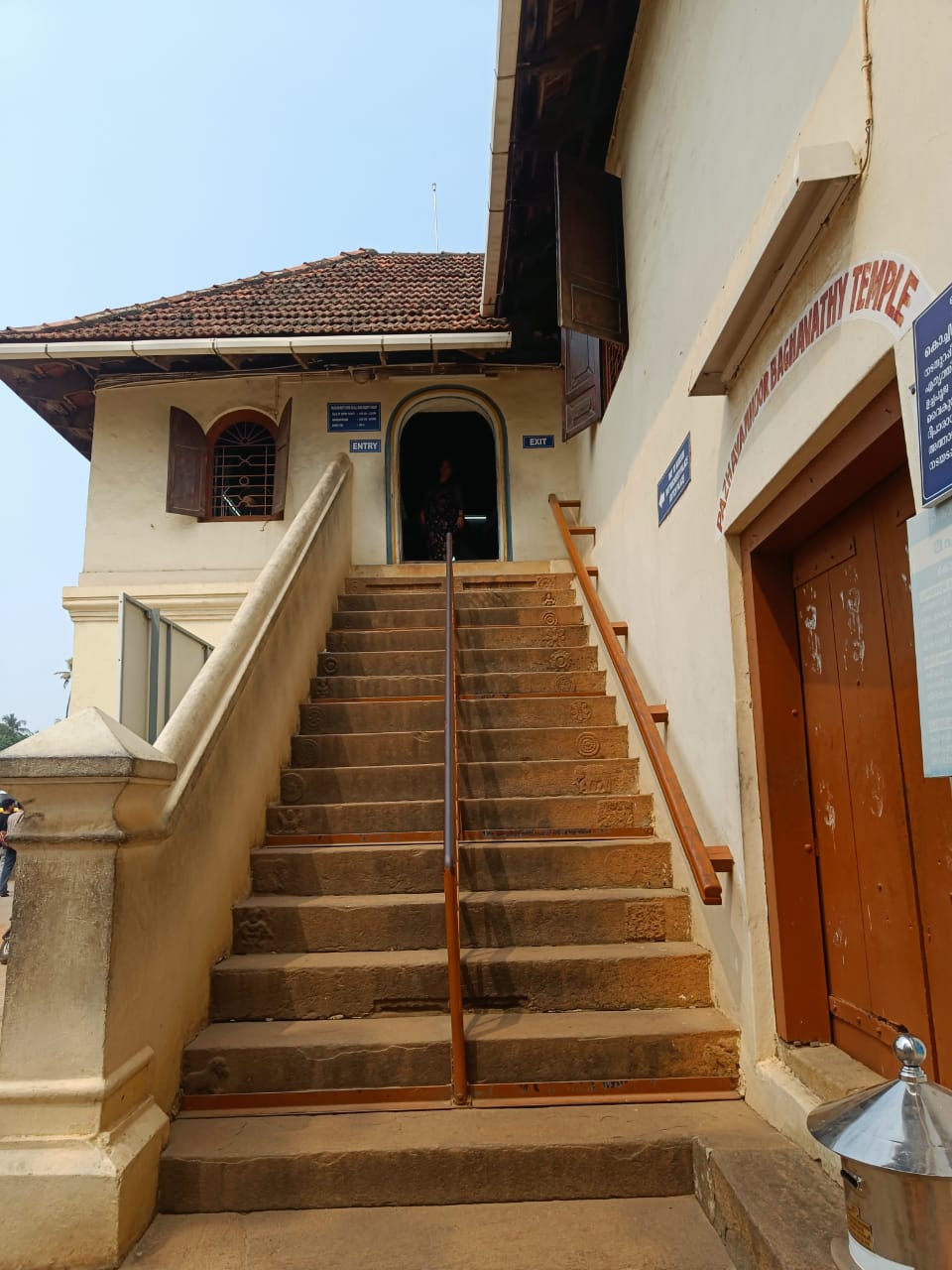
It was considerably darker inside, with light only filtering through the small windows overlooking the temple ahead.
Which is why the best time to visit the Dutch Palace is between morning and late afternoon.
I loved the way the ancient history of Kerala was preserved in the palace with murals and paintings, while eavesdropping on the facts and details that a few government-approved guides were sharing with the foreign tourists.
The Murals and paintings were breathtakingly beautiful, and we could see many foreigners in awe of this Indian art.

The palace had old manuscripts, paintings, and descriptive murals, depicting the epics of the Mahabharata and the Ramayana.
One of my favorite corners was a court-like room at the end, with a wooden swing hanging in the middle, surrounded by murals and traditional seating by arched windows.

It felt like a museum, yes — but also like someone could walk in, dressed in royal robes, and take their throne.
Visit St. Francis Church next (If you have time)
The next stop for us was St. Francis Church, one of the oldest European churches in India.
It was one of the most famous tourist spots of Kochi, which disappointed us.
It was quiet, peaceful, and simple, with plain interiors, a small chapel, and too many benches near the altar. It reminded me of small-town churches like the one in Panchgani or Mumbai.
Is it worth it?
If you consider its historical significance, it was worth visiting.
But to be honest, unless you like visiting churches, it won’t impress you. We saw a much better-looking one on our way to Mararikulam.
A nice pause, sure. But not a must-visit, unless you’re keen on colonial-era architecture.
Next Stop: Taste the traditional ‘Sadya’

Sadya is one of the traditional vegetarian thalis of South India that includes a meal consisting of lentils, rice, chutneys, sweets, and curries.
There is also a non-veg version that includes seafood as a fixed element.
The specialty of this thali or meal is that it is served on banana leaves, which also helps enhance its flavour.
Sadya is served in festivals and special occasions in Kerala and has special importance in the festival of Onam.
We were keen to taste this on this trip.
One of our friends suggested visiting the Grand Pavilion hotel for Sadya.
However, though it had a good taste and flavor, we didn’t find it extraordinarily delicious or different from the other Sadyas we ate on the remaining days of the trip.
Tip: Traditional South Indian thalis are offered in every backwater trip you would do in the afternoons. Opting for them will help you taste the variety of elements in a Sadya.
Afternoon: Jew Street and Paradesi Synagogue
Taste Aesthetics in Jew Street: Shop to your heart’s content 💓
Jew Street was one of my favourite places in the city. It’s a winding, colorful lane, bursting with heritage, culture, and its own charm.
The pictures of Jew Street attracted me enough, but in reality, it was much more gorgeous.
Even if you have not specifically planned to stay in Kochi for long and are looking for a short 2-day itinerary for Kochi, including Jew Street can make a lot of difference to your entire experience.
Honestly, more often than not, I was transported back to Hoi An (Vietnam) with its cobbled streets, brightly colored buildings, and artsy boutiques at every turn.
It also reminded me of the cobblestone streets in Tbilisi with its winding roads and ornamental windows.
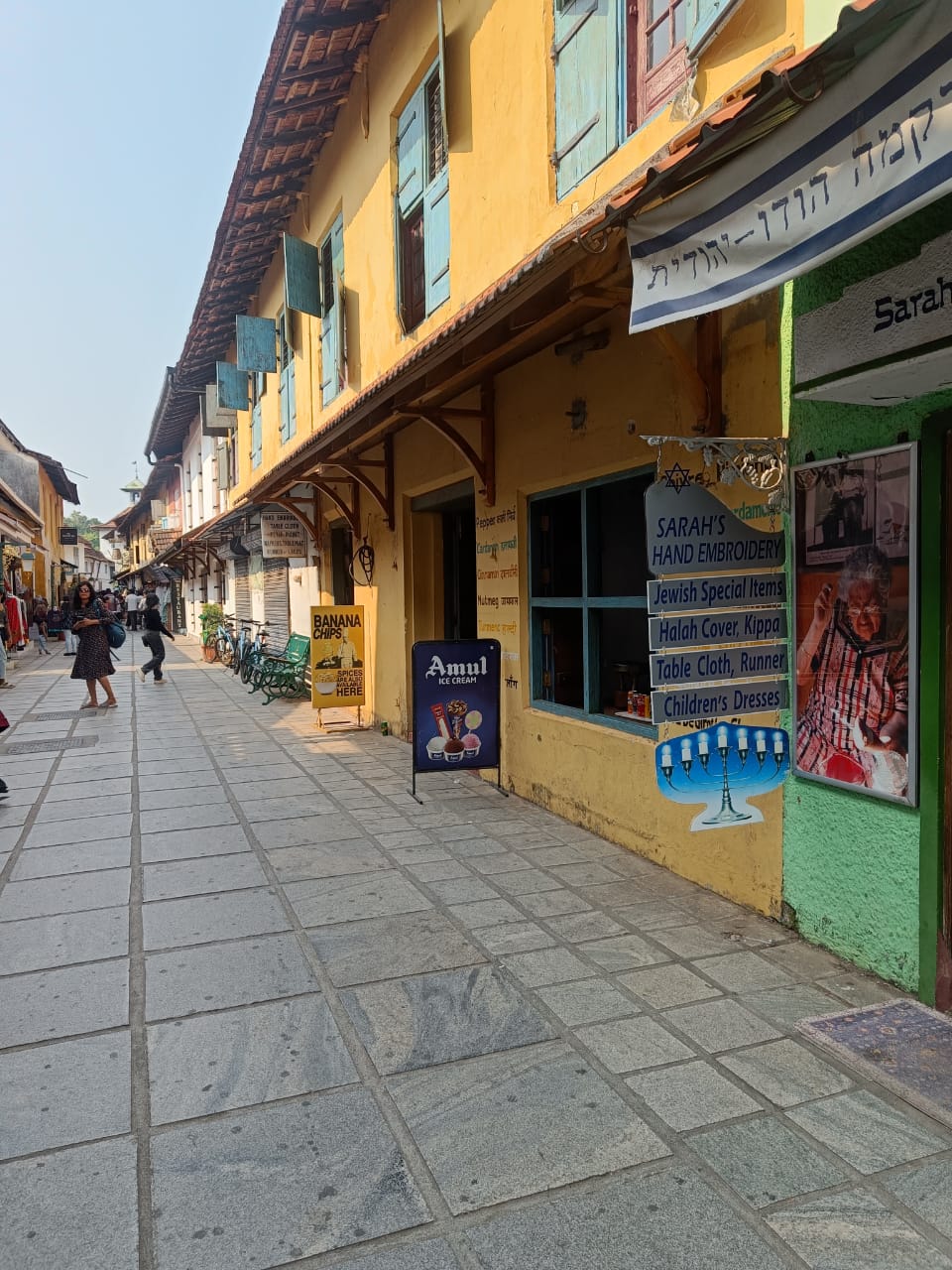
The beauty of Jew street, KochiThere were tons of things to shop for in Jew Street; clothes, antiques, wooden statues & artifacts, jewellery, traditional masks, etc.
I bought long skirts, earrings, and a brass diya.
Note: Though there were a lot of things to shop for and explore, I felt the prices were on the higher side. If you shop, make sure to bargain well.
Quick tip:
You can enjoy Jew Street best when you explore it on foot.
But there are not many places for refreshments, except a few luxury hotels and small shops selling packaged snacks and cold drinks.
Unfortunately, no budget cafes!
So if you plan your trip in summer, always carry a water bottle and light refreshments with you.
Jew Street is one of the most beautiful and picturesque locations we saw in Kerala.
I tried clicking pictures where I could get a clear view of the street, but unfortunately, it was pretty crowded.
To experience it to the fullest, the best time would be morning to late afternoon, when you can enjoy the colorful backdrop with less crowd and enough time to shop around.
🕍 Step into Uncharted but Beautiful Territory at Paradesi Synagogue
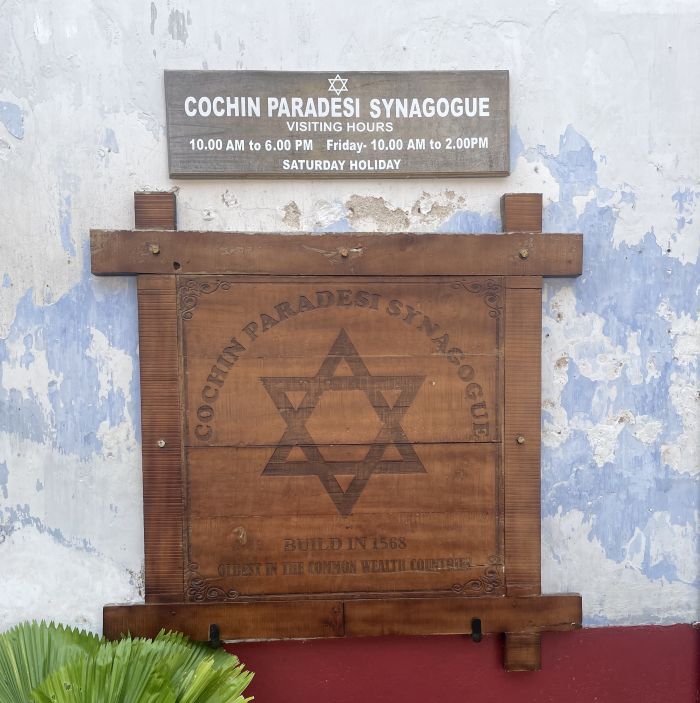
If you love knowing about other religions and cultures, you must stop at Paradesi Synagogue.
A century-old Jewish synagogue (built for the “Paradesi” or foreign Jewish community), it is a peaceful, colorful, and honestly, quite beautiful place with blue-and-white mosaic floors, yellow flags, wooden banisters, and artistic walls.
We spent a few minutes taking in the tapestry of colors, trying to decipher the many different things that were placed in the main courtyard on the balcony above.
You are supposed to go barefoot on the premises.
After spending a few quiet minutes inside, we stepped out to see a pink bougainvillea tree growing out of the back wall, under a large square clock.
The scene looked like something straight out of a European painting.
🎭 Evening: Kerala Folklore Museum + Kathakali Show
Honestly, I was not very keen to visit yet another museum. After all, Kochi, in our view as of now, was deeply immersed in history and was getting a bit overwhelming.
But the Kerala Folklore Museum, one of the main tourist places in Kochi, turned out to be a pleasant surprise.
Rightly so, it was heavy with information, every inch of the museum floor packed with artifacts and collections reflecting Kerala’s culture and tradition.
But it was more like a gateway to a part of Kerala, we didn’t know.
While appreciating the rich collection stacked on the staircase, walls, and every nook available, I could feel walking through an ancient library that treasures its centuries-old information and text, making them priceless and valuable.
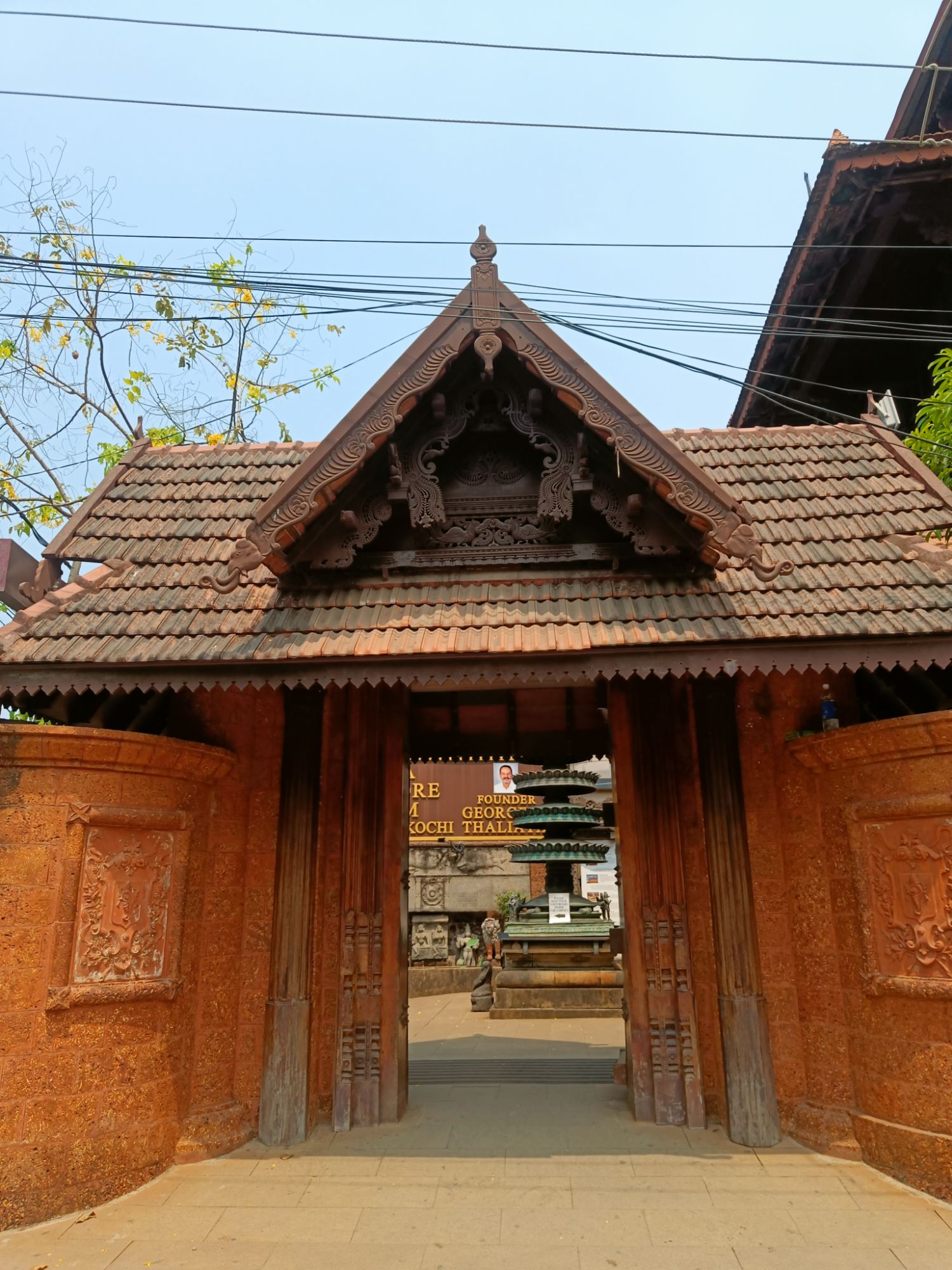
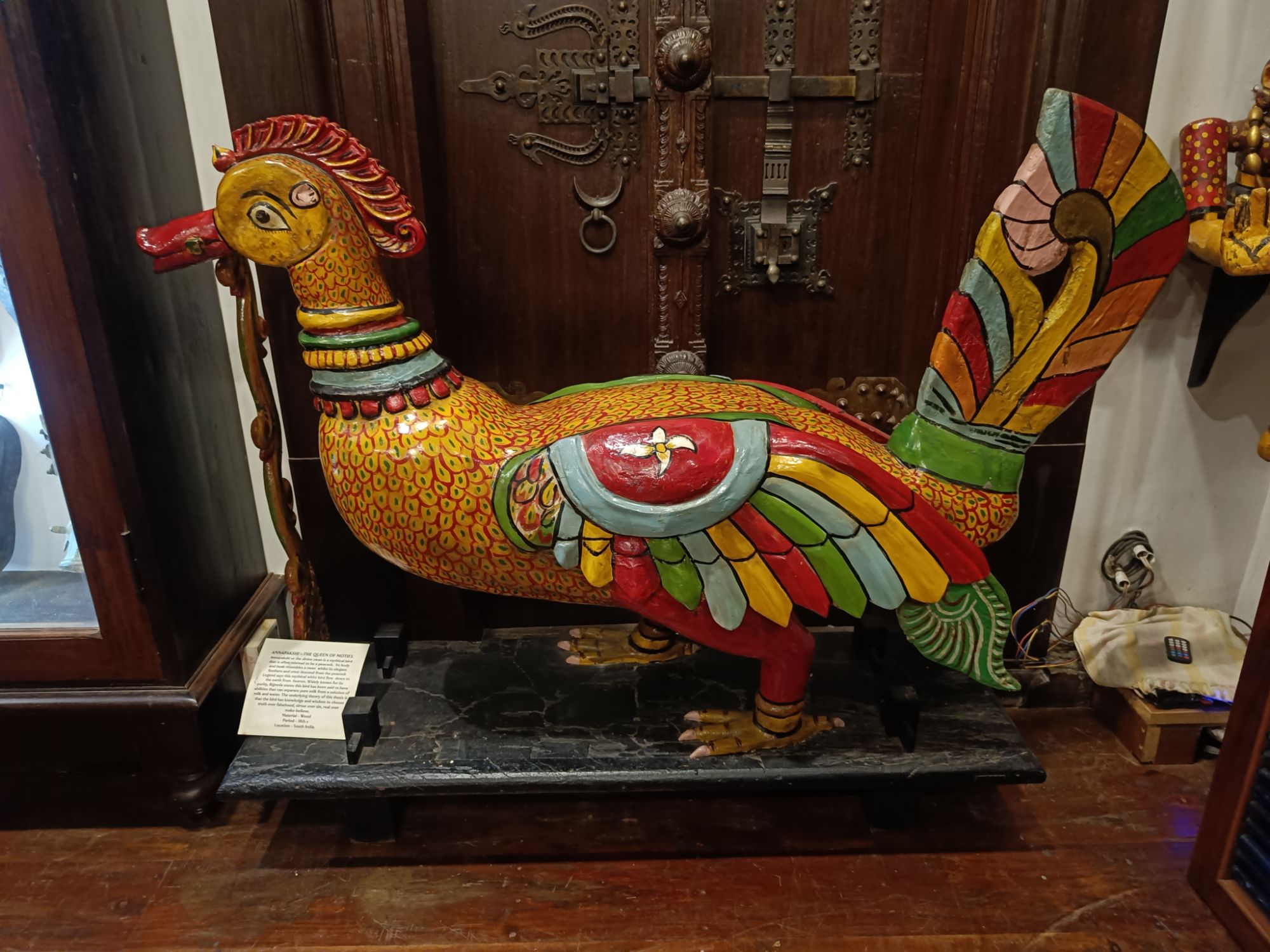

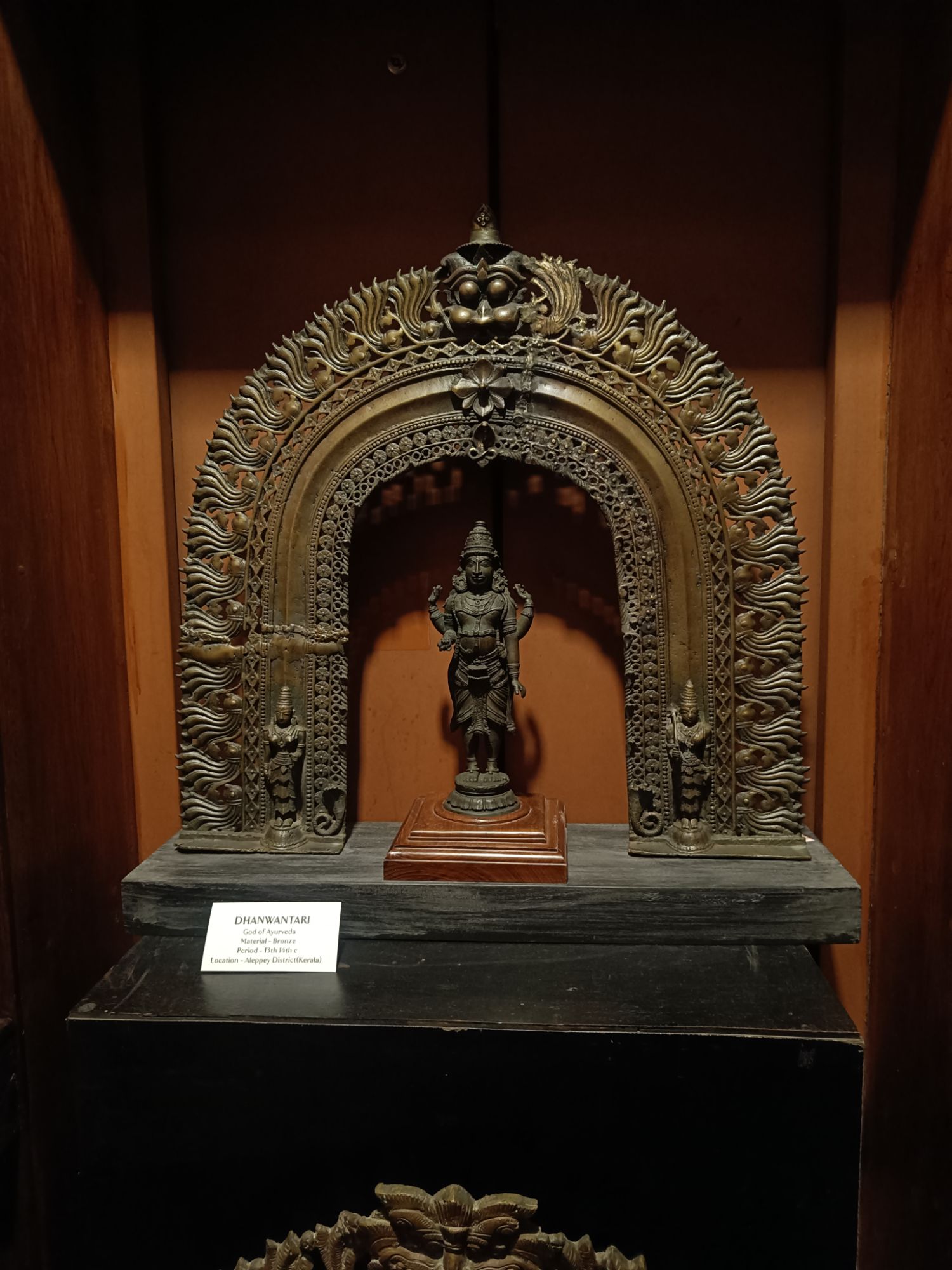

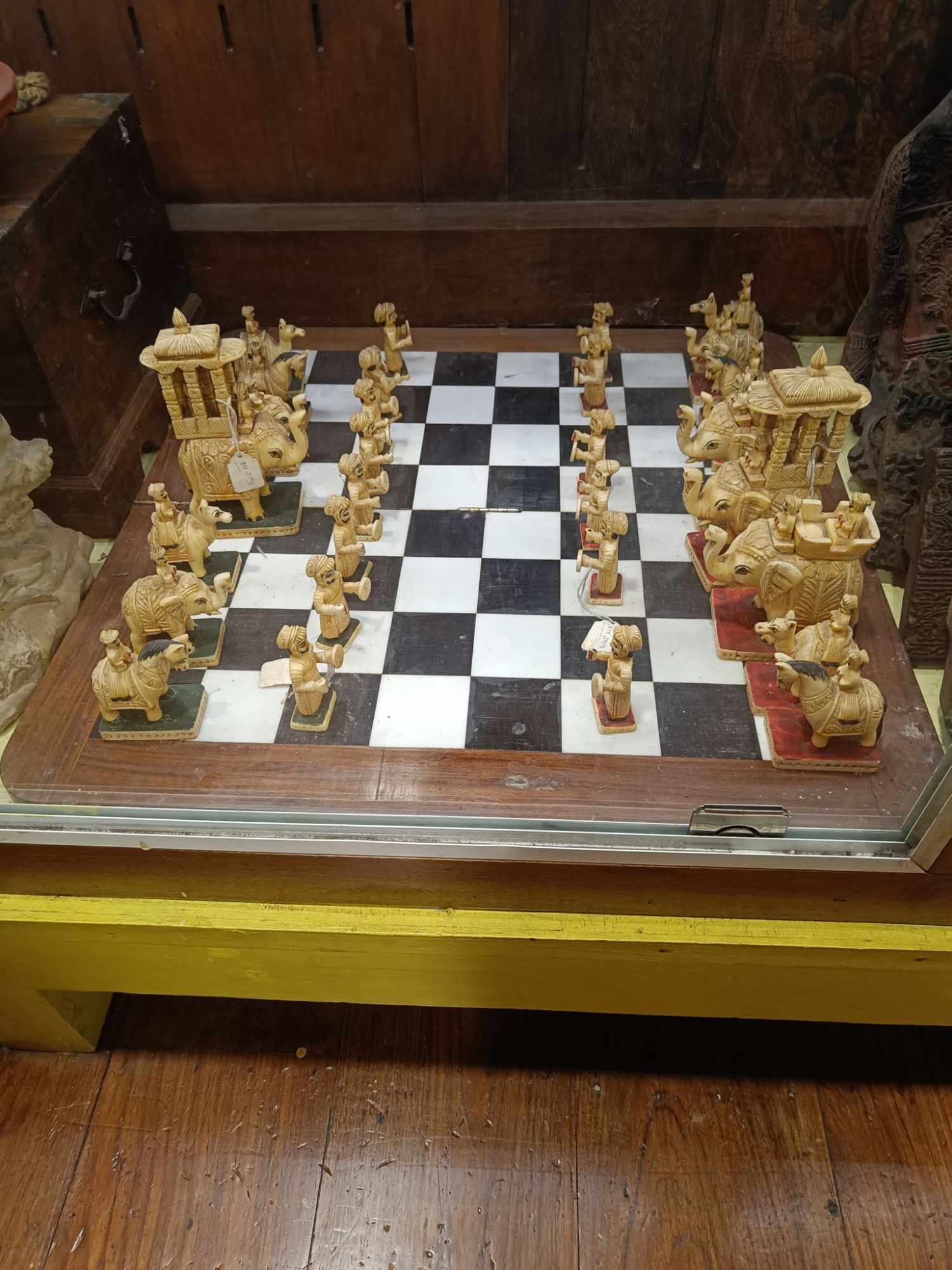
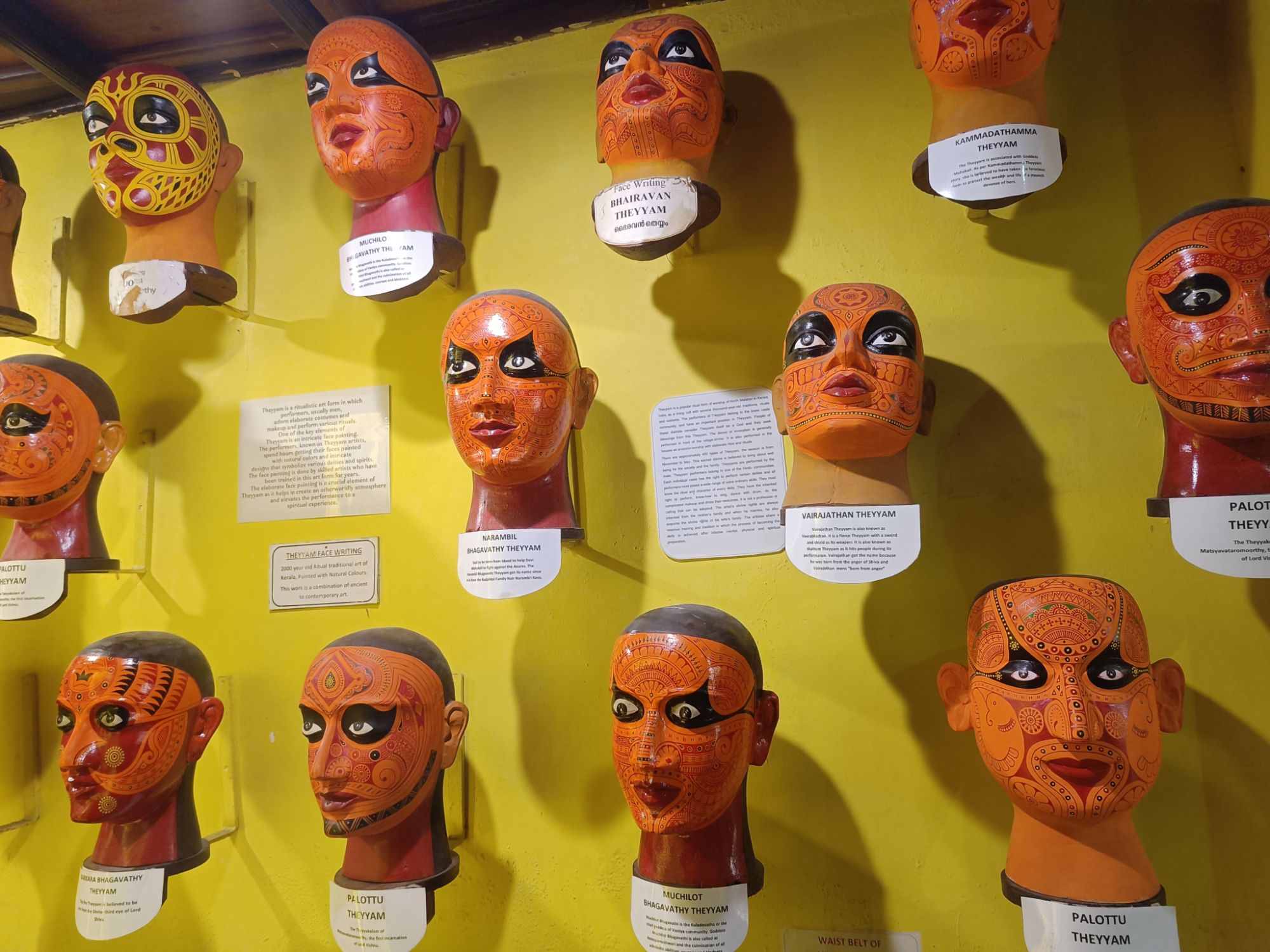
The air was thick with the scent of aged paper, polished wood, and something quietly musty — like an old museum frozen in time, the one that transports you back to the past, alive in full life.
Unbelievable as it might seem, every inch of the space was filled to the brim. It wasn’t a museum with glass-box perfection — it was layered chaos, but done with love.
Was it worth it?
Honestly, there was so much to absorb. I wanted to pause at every object, read every plaque, but it was too overwhelming for one visit.
I decided, while departing after an hour and a half, that if I visit Kochi again, I would reserve one entire day to this cultural landmine.
💃 End your Kochi visit with a Kathakali Dance in Kochi
Before leaving Kochi for the next destination, we were looking for something more authentic that could help us connect to this coastal state.
And so, when we saw a noticeboard informing us about a Kathakali dance performance, we had to attend that.
Honestly, I had high hopes for the Kathakali dance in Kochi, which we booked the previous day.
The show had two parts- First, where the performer sat on the stage prepping for his show.
He painstakingly painted his face, as these artists do, slowly and steadily, to demonstrate the different parts or to show behind-the-scenes of the performance.
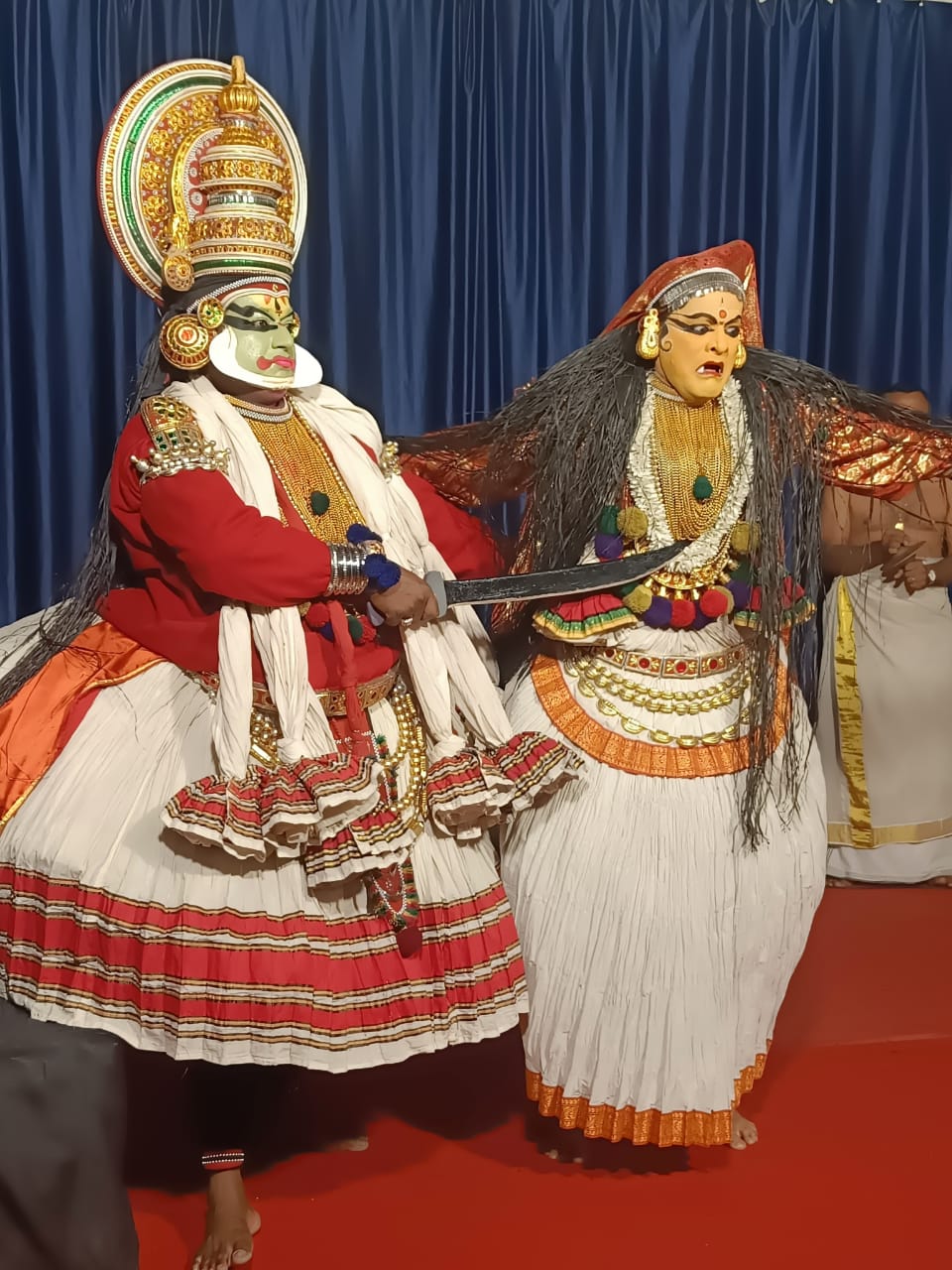
After he was done with his face-painting demonstrations and makeup application, there was a short interactive crowd session, where another performer enacted different emotions, showcasing the intricacies and talent that is needed for a successful kathakali performance.
They concluded with a small performance where they picked a small folk tale from the Mahabharata and danced to it with a melody and a beautiful song being played in the background.
Was it worth it?
Although it was one of the best cultural activities to do in Kochi, I didn’t love the whole act.
For an Indian, it felt overly performative, built for foreign tourists to click photos and say, ‘I saw a Kathakali dance.’
However, if you want to learn about the dance form and its intricacies, like how they prepare and emote, it could be a highly Gratifying experience.
If you want a real hour-long dance performance, it is not for you.
Where to Stay in Kochi (Honest Recommendation)
We wanted to spend more time wandering the city instead of in the luxuries of a resort, and so chose to stay at a quaint, decent hotel called Abad Fort Kochi, which was right in the center of the city.
While its location was favourable for us, we also liked its food, delicious and affordable. (Read my detailed hotel review here).
It was neither a boutique nor a luxury stay (the other two hotels we stayed in were boutique hotels). It had a cobbled floor and bamboo furniture, which mimicked the state’s vibe with vetiver curtains and planters, creating a cozy, rustic vibe.
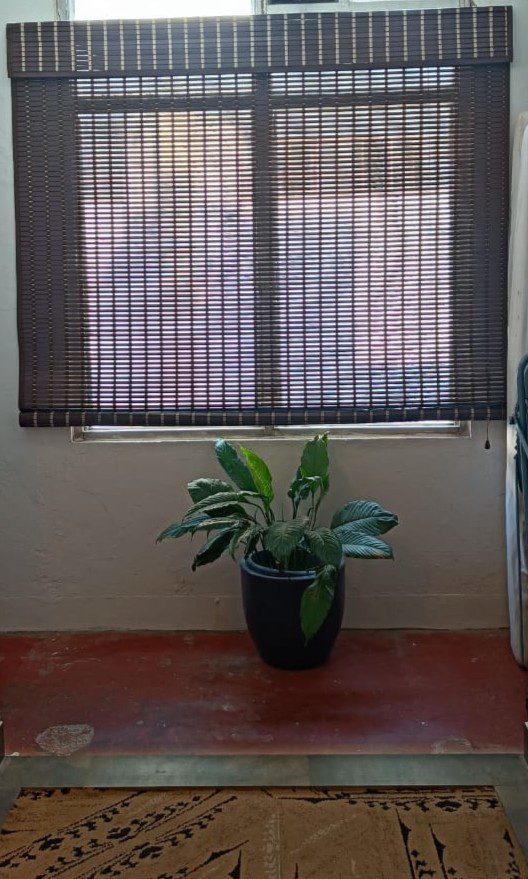
Lobby of Abad Fort KochiI was transported back to my childhood house in Central India, where we used the same vetiver curtains in summer and played on our cobbled driveway.
We stayed there for the entire 2 days of our stay and were satisfied with the basic yet decent services.
I have written a detailed review of all the Kerala hotels we stayed in here.
How to Get Around Kochi (Ferry, Auto, On Foot)
There are ample options to get around the city of Kochi, be it auto rickshaws or Uber.
Public Transport: Public transport is easily available as well. To go from Ernakulam ( mainland) to the Fort Kochi area, a ferry, called RORO ferries, is an affordable and faster option.
While it could be a novelty for some, you can use the ferry just for convenience and affordability. It is NOT a must-have experience.
We suggest walking around the Fort Kochi area to absorb its vibe and use Uber or an auto for the rest.
If you just want to go around the city with someone to guide you, you can book a guided tour in a auto rikshaw for a local experience.
If you want a private transfer within different cities in Kerala, you can hire private drivers from aggregators like 12go.com
Is Kochi worth visiting? Honest Verdict
I loved exploring Kochi. It wasn’t glamorous or flawless, was full of layers.
From colonial streets and fishing nets to spiritual corners and buzzing bazaars, it offered moments of peace, culture, and curiosity — if you were willing to let the city unfold at its own pace.
So yes, if you are ready to explore Kerala beyond beaches, tea gardens, and backwaters, Kochi is a worthwhile place to explore and spend a few days in.
How to Travel to Kochi
Being a tourist destination, it is conveniently easy to reach Kochi. You can either take a flight from Mumbai that takes 2 hours or from Delhi, which is a 3-hour flight.
You can alternatively take a train. However, book tickets in advance to get confirmed tickets.
Cost of a 2-day Kochi trip
The following is the average cost of a 2-day trip in Kochi, Kerala
| Expense | Approximate Cost for 2 People |
| Hotel (mid-range, per night) | ₹4,000–7,000 |
| Food ( per day) | ₹1,200–2,500 |
| Entry Fees | ₹200–800 |
| Transport ( auto, ferry) | ₹400–600 |
| Kathakali show ( 2 tickets) | ₹500-800 |
Best Time to Visit Kochi
Kochi has a tropical monsoon climate with high humidity all year long, with temperatures ranging from 23 to 31 Degrees C. Therefore, you must avoid visiting Kochi in the summer or monsoon season.
On the other hand, it gets cooler in the winter season, starting from October to late January. The best time to visit Kochi is from November to January.
If you are planning a trip to Kerala, here are some practical tips that will make your stay enjoyable.
Kochi is one of those places that doesn’t have much but is still enjoyable to explore. If you are planning to visit Kerala, here is how we fit Kochi into our full Kerala trip.
Have you been to Kochi? How did you like it? Would love to know your experience. Comment below!
Have Questions? Here Are The Answers!
Is Kochi worth visiting?
Absolutely. There are many tourist places in Cochin that can surprise you with their unique stories and collections. Fort Kochi and Mattancherry alone are worth the trip, for the culture, food, art, and architecture.
How many days are enough for Kochi?
2 full days are ideal to explore major tourist spots like Fort Kochi, Jew Street, Mattancherry Palace, and attend a Kathakali show.
What are the best places to visit in Kochi?
Fort Kochi, Chinese Fishing Nets, Mattancherry Palace, Jew Street, Kerala Folklore Museum, and Paradesi Synagogue.
What to buy in Kochi?
The stories of your Cochin travels won’t be complete unless you buy yourself a souvenir. Here you can buy beautiful and some ancient handicrafts, brassware, traditional Kerala fabrics, spices, and antique-style furniture. We bought a beautiful Kathakali mask from one of the shops on Jew Street.
Is Jew Street good for shopping?
Yes, if you don’t mind premium pricing. You’ll find unique fashion, antiques, and artisanal pieces. we found an antique shop tucked in the corner that agreed to manufacture old Kerala furniture for our house. It was surely worth the price.
Can you watch Kathakali dance in Kochi?
Yes. Multiple cultural centers in Fort Kochi offer evening performances. You might find a few small workshops while strolling around Fort Kochi. However, book early to get front tickets and set expectations — it’s more of a showcase than a theatre.
Some links here are part of partnerships that help support this blog. If you decide to take action through them, I may earn a small commission, at no extra cost to you. It’s a simple way you can support the content you enjoy, and I truly appreciate it.
Discover more from The Hopping Tales Journal
Subscribe to get the latest posts sent to your email.