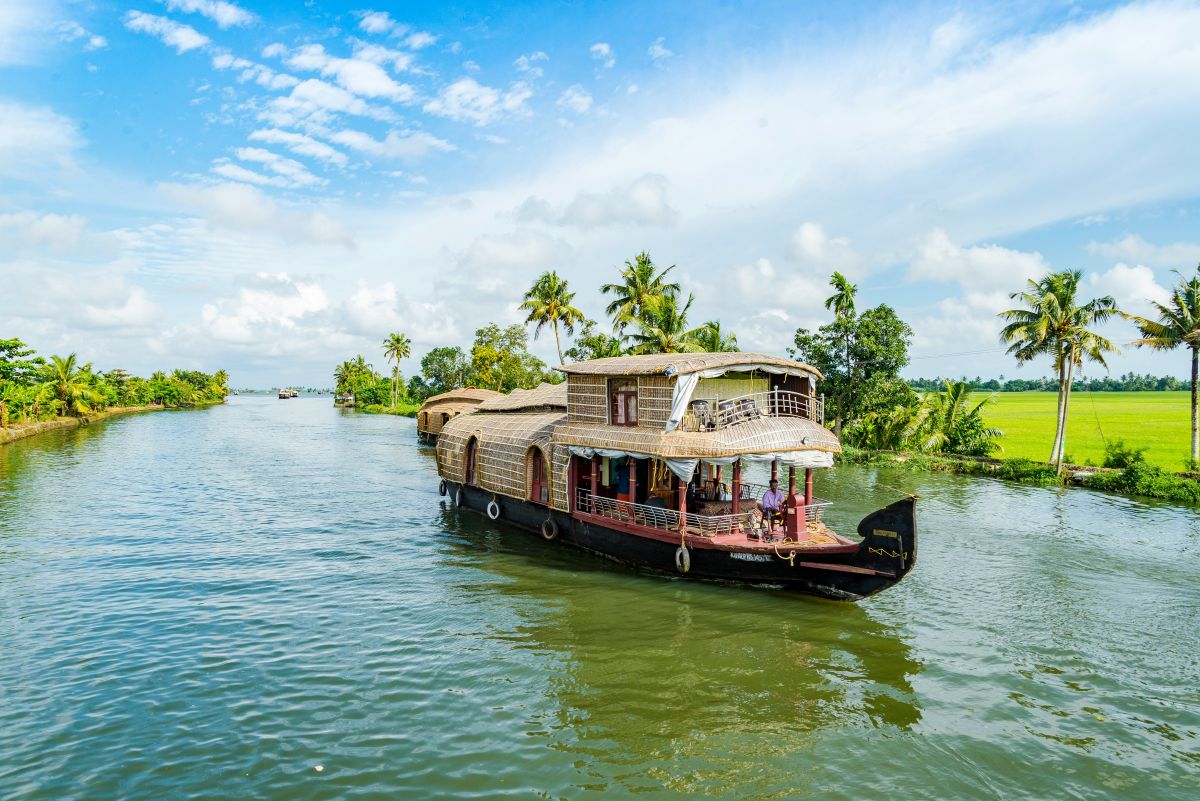
Updated On:
Most people rush through Kerala and end up missing what makes it special.
Kerala is a state that needs to be felt and experienced.
Yes, you can just tick off destinations, but then you won’t be able to experience the morning light on the Munroe Island backwaters or the conversation with locals, which can only happen if you slow down.
If you want to avoid the usual travel mistakes and navigate ‘God’s Own Country’ like a local rather than a tourist, this Kerala travel guide will show you exactly how to experience Kerala beyond the obvious.
- Who is This Kerala Travel Guide for?
- Why Kerala is Made for Slow Travel
- When is The Best Time to Visit Kerala?
- How to Reach Kerala by Air, Train, and Road
- How to Get Around Kerala as a Tourist?
- Where to Stay in Kerala
- Best Things to Do in Kerala (Beyond Tourist Spots)
- What to Eat in Kerala
- How Many Days Are Enough for Kerala?
- Practical Kerala Travel Tips
- What to Pack for Kerala
- A Few Things Worth Knowing Before You Travel To Kerala
- Suggested Reading:
Who is This Kerala Travel Guide for?
This travel guide for slow travel is for independent travellers who want a real, local‑paced Kerala trip, not a group tour or tourist places checklist.
Save this guide before planning your Kerala trip.
Why Kerala is Made for Slow Travel
Kerala is a narrow stretch of land that spreads 580 km from north to south, but is only about 35–120 km wide at any point.
This topography means you are never far from a backwater, a beach, or a hill station, and you do not need to cover ground aggressively to see variety.
However, it also means distances are deceptive.
What looks like a 60 km drive on Google Maps can take two and a half hours because the route could wind through villages, cross ferries, and occasionally get blocked by a temple procession.
So while you can do a 5-day trip to Kerala, jumping from one place to another to cover everything, it won’t mean you actually saw what Kerala stands for.
Which is why slow travel makes so much more sense in Kerala, because it’s the pace the place imposes on you.
Travelling slowly while without rushing will give you time and energy to actually enjoy all the unique experiences in Kerala for a meaningful trip.
When is The Best Time to Visit Kerala?
Kerala is breathtakingly beautiful throughout the year.
However, due to its hot and humid climate, it can be uncomfortable during the summers, i.e., from March to May, especially in the coastal cities like Kochi and Varkala.
Additionally, Kerala experiences heavy showers from June to September, making it difficult to commute between cities because some roads flood, and outdoor sightseeing becomes limited.
So, unless you love heavy rains or have a deep love for lush greenery drenched in showers, you might not like Kerala during monsoons.
However, Kerala has an unmatched beauty during monsoons, and it’s also when Ayurvedic treatments are considered most effective (the humidity opens the pores), and rates drop significantly.
Therefore, if you’re visiting Kerala for a proper Ayurveda retreat, this is actually a good time to come.
October to February is the sweet spot.
During these 4-5 months, the monsoon has cleared, the landscape is still green, temperatures are comfortable (25–32°C on the coast, cooler in the hills), and the light is extraordinary in the early mornings.
Note: We found Kochi to be hot during mid-February as well. Which is why December and January are usually considered the peak season in Kerala, and so are the most expensive and crowded.
Cultural Festival timing worth noting:
Visit Kerala if you want to witness the Keralite culture, festivals, and traditions, and don’t mind crowds.
- Onam: August–September (the biggest Kerala festival — harvest celebration with snake boat races, flower carpets, and elaborate sadyas)
- Thrissur Pooram: April–May (one of the most spectacular temple festivals in India)
- Christmas and New Year: Peak season for tourism; Kochi and Varkala get lively; book accommodation early
Whichever season you visit, make sure to refer to a kerala focused packing list for all the essentials you could need in your trip.
How to Reach Kerala by Air, Train, and Road
By air:
Internationally, Kochi (COK) is the main international hub with direct flights from the Gulf and Southeast Asia, and one-stop flights from the West.
Domestic: Kochi is well-connected to most Indian metros. You can also book flights from Thiruvananthapuram (TRV) in the south, and Kozhikode (CCJ) in the north, depending on your itinerary
By train:
Kerala has excellent rail connectivity to most Indian cities.
The Rajdhani Express and Duronto Superfast train services from Mumbai and Delhi are two of the best options to travel to Kerala by train.
Many more trains run daily; check the latest train schedules.
By road:
If you’re already in South India, you can travel by road to Kerala; Palakkad Gap or the Western Ghats are genuinely beautiful and worth routes for a road trip, if you have the time.
However, if you are in central or northern India, a road trip to Kerala can be considerably longer and more tiring.
Where to start: (The perfect route)
To avoid doubling back to where you started from, you can enter from Kochi in the central north and move south toward Varkala and Thiruvananthapuram, or vice versa. ( Entering from Thiruvananthapuram and traveling north.)
I flew to Kochi and then worked my way down. Kochi> Mararikulam ( Alappuzha) > Munroa Island (Kollam)> Varkala > Thiruvananthapuram
How to Get Around Kerala as a Tourist?
You can book a private car for airport transfer from Kochi. (Check rates here)
There are many distinct ways to get around Kerala:
Ferries and country boats:
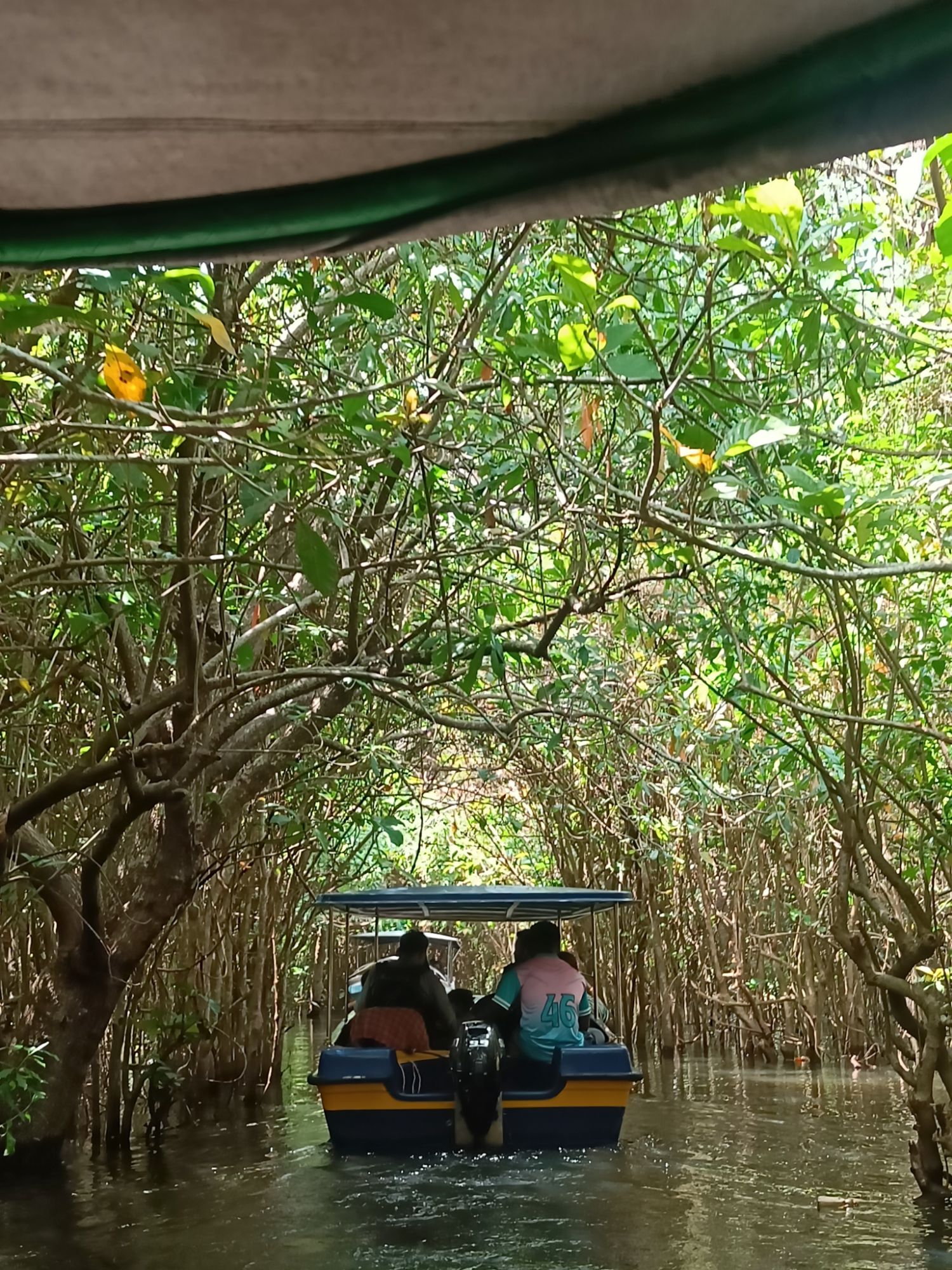
The backwater region (roughly Alleppey to Kollam, and around Kumarakom) has a network of public ferries that are cheap, scenic, and genuinely useful for getting between villages.
You can spend hours gliding through village life: children waving from the shore, fish drying in the sun, and coconut trees leaning over the water.
This is not a tourist gimmick; local people use these boats daily.
If you like slow travelling, you must surely consider using the public ferry system instead of booking a private houseboat immediately.
Autorickshaws:
Just like in the rest of the country, autos are the standard means of travel within towns and for short distances.
However, negotiate before you get in, and bargain well. Especially if you are a non-Indian, you might be overcharged if you don’t negotiate.
In large cities, you can also use apps like Ola and Uber, which are often more price-transparent.
Renting a scooter:
Want the freedom to go comfortably wherever you want?
Rent a two-wheeler that works well for hill stations like Munnar and for exploring coastal areas like Varkala.
Although roads in Kerala are generally maintained, they can be narrow, and so you must be comfortable on a two-wheeler in Indian traffic.
Taxis and cabs:
If you are looking for a comfortable and easy trip or are moving with luggage, hiring a cab for the day is often the most practical option.
You can easily find drivers in Kerala who speak basic English.
Inter-city trains for longer stretches:
If you’re moving from Kochi to Varkala or Kochi to Thrissur, the train is almost always a better choice than the road — faster, more comfortable, and often cheaper.
Buses:
State buses (KSRTC) are available between most towns and are the cheapest option; slow, local, and worth experiencing at least once.
Where to Stay in Kerala
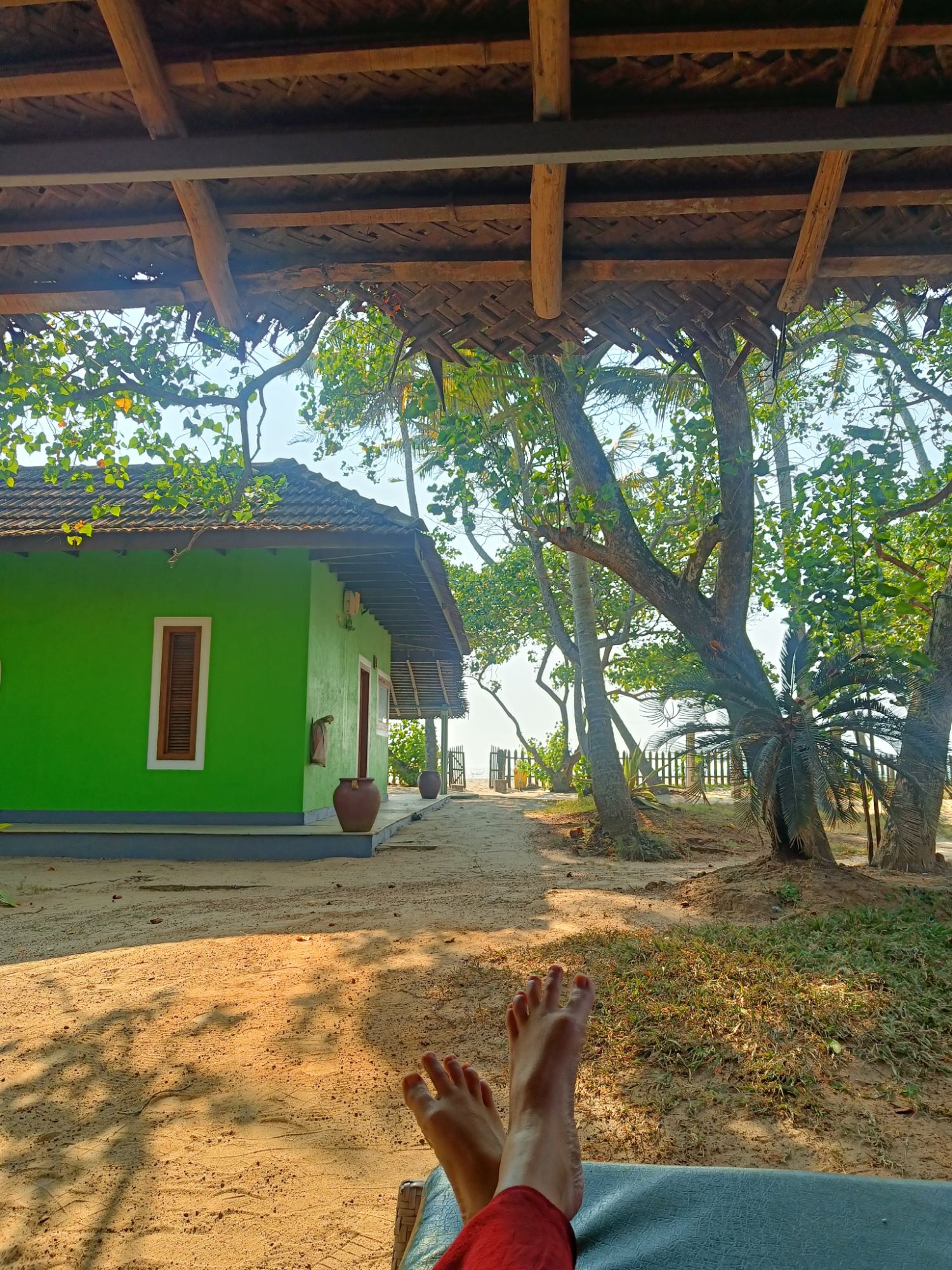
In Kerala, the accommodation you choose will define your experience more than the places you visit.
The best places to stay in Kerala are homestays and hostels.
The hosts often become informal guides, telling you which beach has no tourists, where the best fish thali in the neighbourhood is, and which ferry to take.
However, staying in homestays or hostels also means you compromise on your freedom and privacy.
Which is why heritage properties are a specific Kerala strength.
Many old tharavadu (ancestral homes) have been converted into guesthouses, particularly in the backwater region and in Kochi’s Fort area.
That could be a good choice if you are looking for an unhurried, atmospheric, or historic stay.
Unique stays:
Kerala has a handful of truly memorable accommodation options: villas sitting directly over the backwaters, tree houses in the hills, or cottages on the edge of the ocean.
These aren’t just luxuries; most of the time, they change how you experience your surroundings entirely and make the trip more unforgettable.
I’ve written about the stays that actually made a difference to my trip here — unique hotels in Kerala that are worth it.
Ayurvedic retreats:
The last and most unique kind, Ayurvedic retreats, is a category of its own.
Indulging in these ayurvedic retreats requires at least one to two weeks and includes daily treatments, a prescribed diet, and a genuine detox process.
Here are some highly rated recommendations:
Budget: Abad Harmonia Ayurveda Beach Resort
Semi-Luxury: Soma Manaltheeram Ayurveda Beach
Luxury: Kairali – The Ayurvedic Healing Village
However, I would suggest staying in an Ayurvedic retreat only when you are specifically visiting Kerala for an authentic Ayurvedic treatment.
Best Things to Do in Kerala (Beyond Tourist Spots)
Backwaters in Kerala
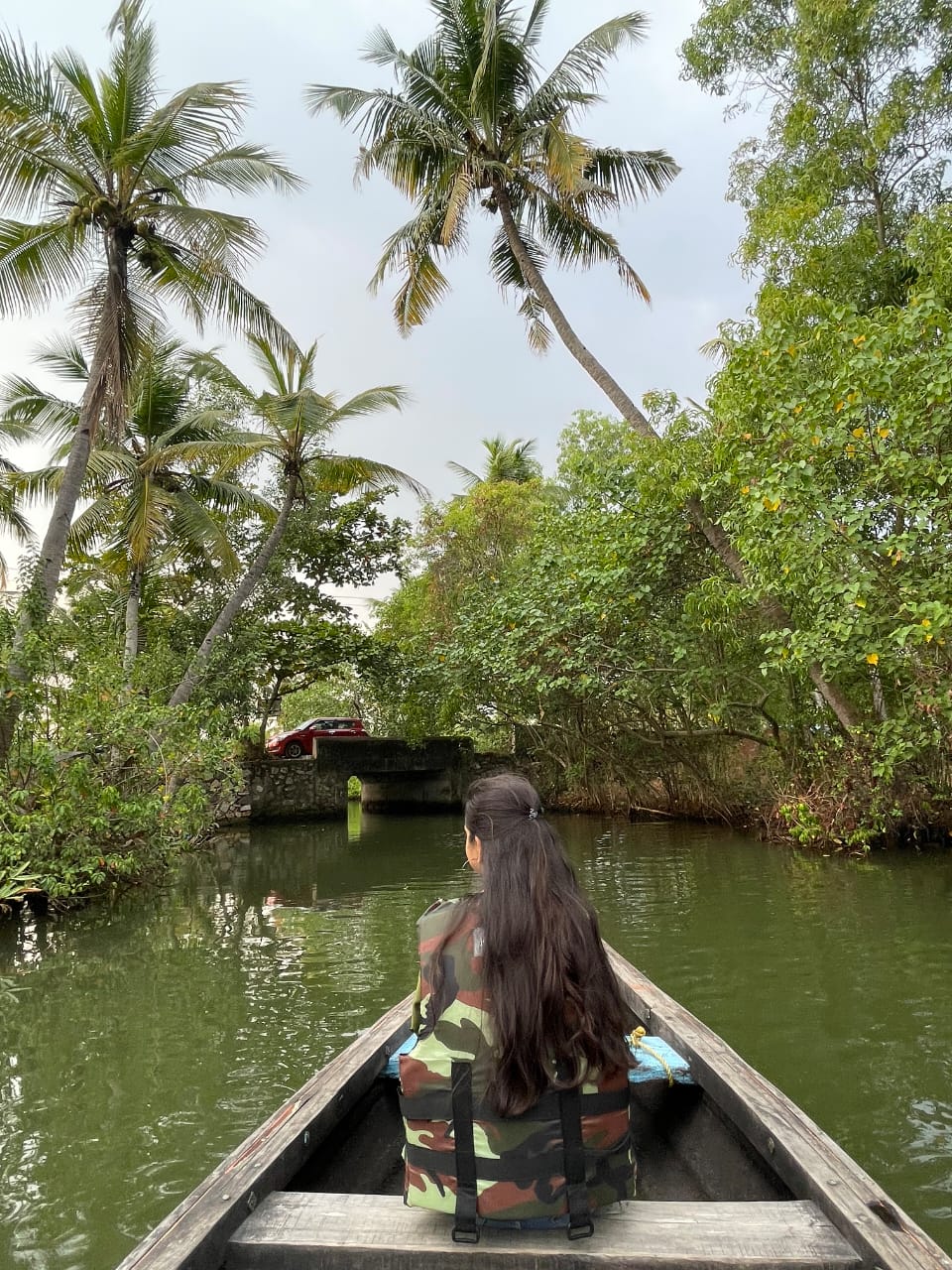
Doing a Kerala backwater ride is one of the most enriching experiences when you are in Kerala.
However, the biggest mistake first-timers make is settling into an overnight houseboat as soon as they reach Kerala.
When we were researching whether to stay in houseboats, we found them to be highly overrated and unnecessarily expensive.
Houseboats can be a unique experience; the backwaters are crowded (especially in Alleppey), and the houseboats are docked during the night near swamps, attracting mosquitoes.
A better experience would be to opt for a Kerala backwater ride in a houseboat in the early morning or during sunset.
You can book a guided tour for a comfortable ride in luxury houseboats, followed by an authentic Keralite lunch.
Tip: The best way to enjoy the backwaters in Kerala is to visit somewhere where it is not crowded.
Alleppey is definitely not such a place. It is always crowded, with traffic jams on the waterways, with boats stacked one after another during peak seasons.
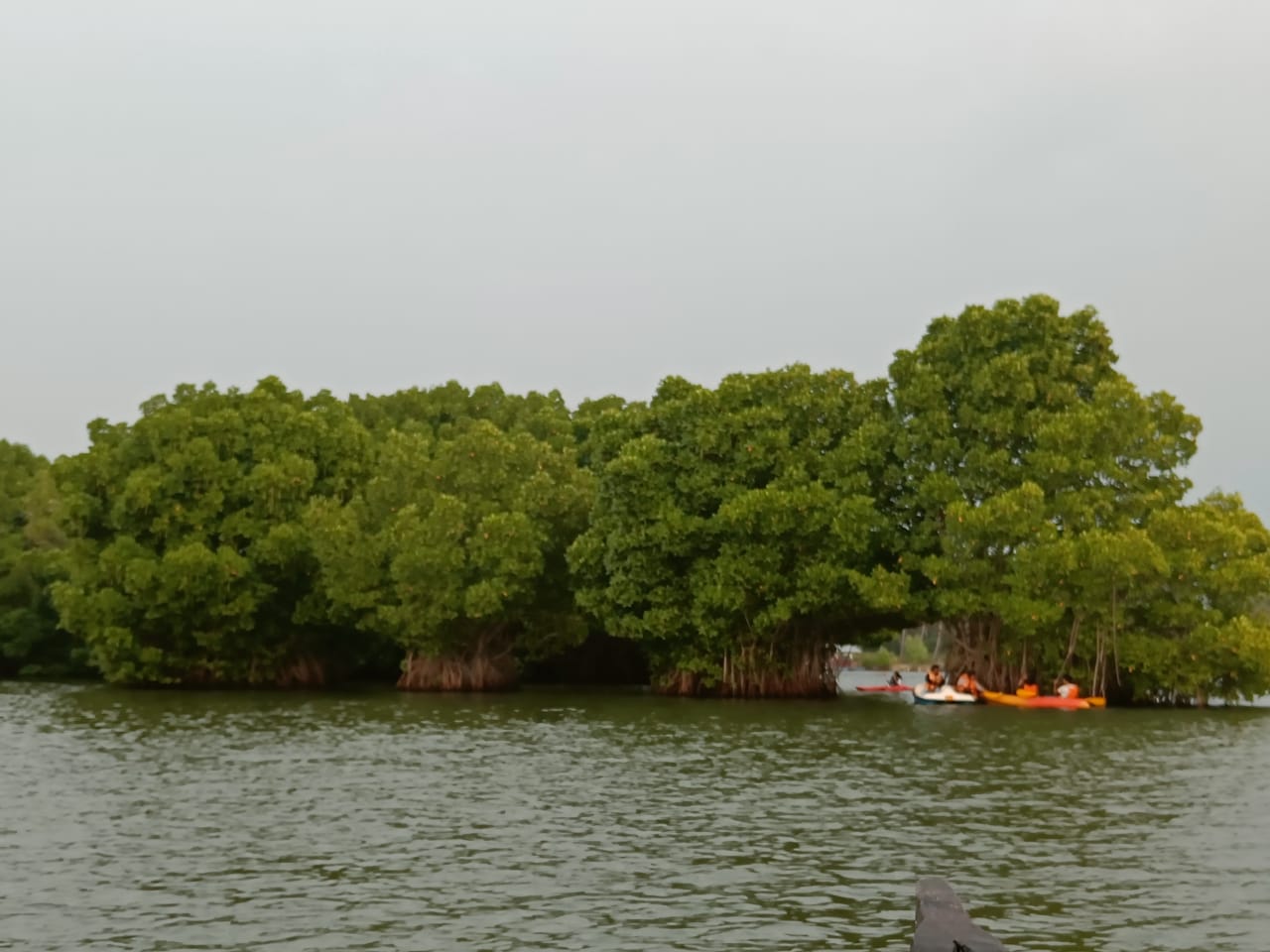
Instead, spend a day or two in a backwater village like Munroe Island before getting on any boat.
Munroe Island is one of those places that only reveals itself slowly; it has slow sunsets, a glimpse into village life views like no other.
City life in Kochi

Although Kochi is a conventional city, it has many places far more rewarding than you find in the metros.
However, to comfortably enjoy these places, allow the city at least two nights.
You must definitely spend some time enjoying the sunset and colonial buildings in the Fort Kochi area.
I would also recommend visiting the Chinese fishing nets at sunrise, the Jewish Quarter, the Dutch Palace, and the cafes in the old town.
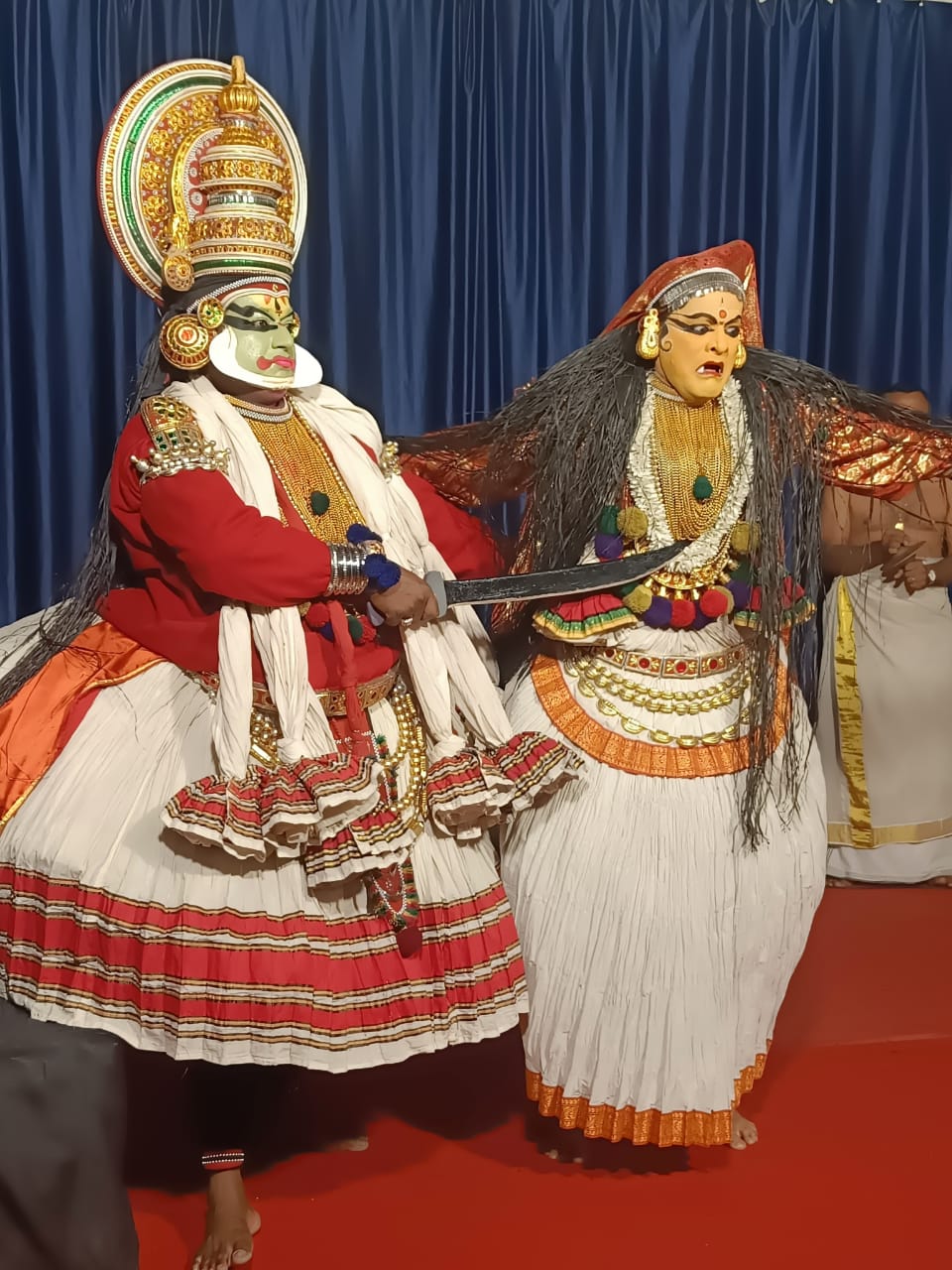
If you can, book a Kathakali performance for a cultural night.
Here is a detailed Kochi travel guide, highlighting the best places in Kochi that you must visit.
With a guided walking tour, you can prevent missing out on the underrated gems of this city. (Book a tour here)
Shop at the cliffside in Varkala
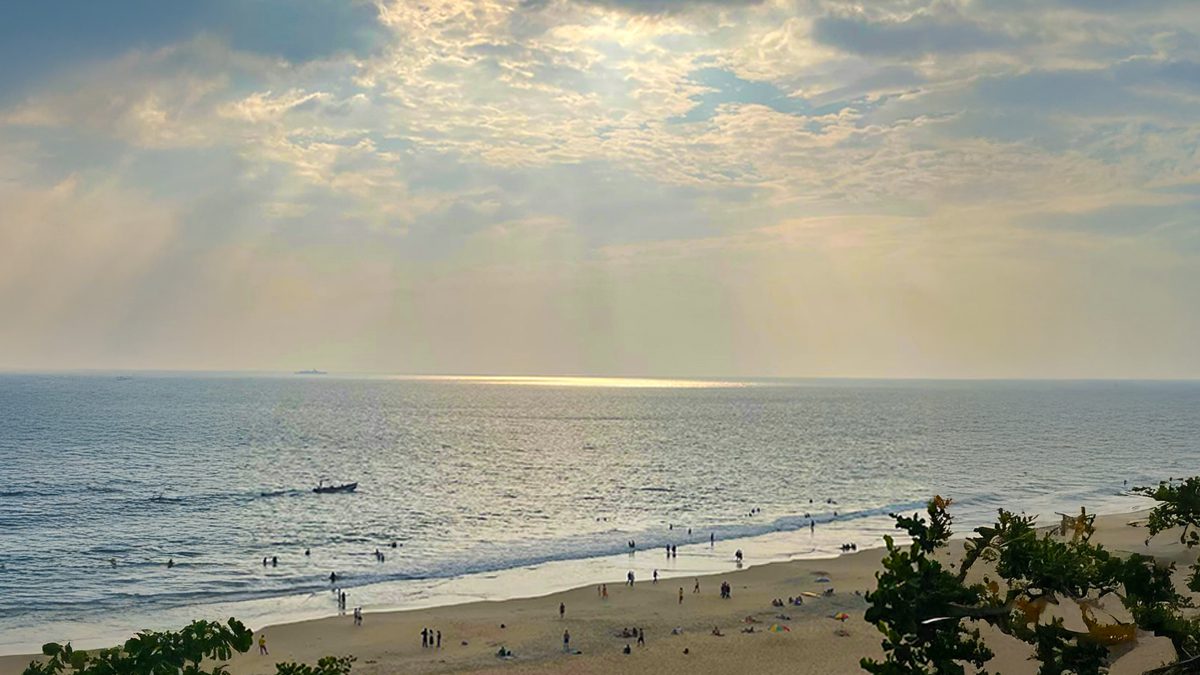
While Kerala in its entirety is beautiful, Varkala is something different.
With a perfect harmony of foreign tourists and Indian locals, it feels like the perfect amalgamation of tradition and the contemporary world.
If you like slow travelling, you would love to laze on the North cliff beach, marvel at the black beach, shop at the unique cliff, enjoy the breathtaking sunsets, and explore the town that has a laidback rhythm.
Spend 2 days in Varakala and go beyond the main cliff roads to find ancient temples and an affordable shopping paradise.
This was also the city in Kerala where I found the most foreign tourists, a few as tourists and a few as residents.
Why Varkala is one of the most special places in India.
Enjoy an empty beach in Mararikulam

There are many beaches in Kerala, but if you really want to enjoy a beach in Kerala, head straight to Mararikulam.
Mararikulam is a small fishing village with an extraordinarily beautiful beach, very few tourists, and a pace that feels like a different era.
And if you book a stay in the resort where I stayed, you can have your own private beach as well. (Check the rates for this beach resort here)
It is one of those places in Kerala that is not often visited by tourists, making it a perfect destination for slow travel.
We absolutely did nothing in this city, apart from enjoying the beautiful sunset from our hotel room, watching dolphins during breakfast, and talking to locals.
Staying at Mararikulam genuinely changed something about how I think about travel. Waking up to the sound of waves outside my window, watching fishermen pull in their nets before sunrise, I realised I hadn’t felt this relaxed in years.
Adding the link to the story, if you want to read the full experience.
Rejuvenate with a Kerala Ayurveda massage
If you’re not doing a full retreat but want to try Ayurveda, a one-day massage at a proper clinic is a better option than staying at a retreat.
Ayurvedic massages in Kerala are offered by actual clinics with trained practitioners and are nothing like the hotel spas.
The one I went to was an extension of our Varkala hotel, offering a genuine experience.
The process: We started with a quick consultation with an ayurvedic doctor, after which a professional masseuse used natural oils to deeply massage every tissue.
Once the massage was done, they asked us to sit in a wooden box for steam, followed by a warm water bath.
While it was messier and more traditional than a hotel spa, the experience was worth every minute.
If you like spas and massages, I can guarantee this will be a unique and memorable experience.
However, ensure to book with an authentic center at a known clinic or retreat.
I booked a Kerala Ayurvedic massage in Varkala. Here is my honest massage experience and everything you can expect from it.
What to Eat in Kerala
Kerala food is one of the most underrated regional cuisines in India, and it changes significantly as you move from coast to hills to backwaters.
Here are some must‑try Kerala dishes.
Sadya: The traditional Kerala vegetarian feast served on a banana leaf. Somewhere between 20 and 30 dishes, including rice, sambar, avial, thoran, pickles, and payasam. This is the meal to have at least once.

You can easily get to eat Sadya at local restaurants. However, a variant of it is also available when you take a backwater ride in the afternoons.
Karimeen pollichathu: Pearl spot fish (unique to Kerala backwaters) marinated in spices and cooked wrapped in a banana leaf. If you’re anywhere near the backwaters, this is the thing to order.
Appam and stew: A lacy rice crepe with coconut milk–based stew (vegetable or chicken). The standard Kerala breakfast is genuinely excellent.
Parotta and beef curry: Kerala is one of the few states in India where beef is widely eaten and cooked brilliantly. Parotta beef is a classic combination that you’ll find at roadside stalls and local restaurants throughout the state.
Fish curry on rice: You can find this dish in every house, every region, with a slightly different recipe. The coconut, raw mango, and Kodampuli (Gamboge) combinations in the backwater region are particularly good.
Toddy: Toddy is palm wine tapped fresh from coconut or toddy palms.
You can get it at a local toddy shop (kallu shaap) with fried fish. It sounds touristy, but it is genuinely a cultural experience when done at the right place.
The best way to taste Kerala food like a local is to book a guided food tasting tour. Check availability.
How Many Days Are Enough for Kerala?
The honest answer: more than you think, depending on how you want to experience it.
| Trip Length | Vibe | Best For |
| 7 days | Rushed | Highlights Only |
| 10 Days | Balanced | Sweet Spot |
| 14 Days | Deep Dive | Healing and Reset |
7 days: Enough to do Kochi + one backwater area + one beach. It would be a rushed trip, and you might feel it was too short.
10 days: The sweet spot for a slow trip. Enough time to do Kochi, a backwater village or two, a beach (Varkala or Mararikulam), and feel like you actually absorbed something. My 10-day Kerala itinerary is built around this.
At the end, it’s not about covering maximum places but getting maximum depth from each one. You can also add a few hours in the tea estate in Munnar.
14 days+: Probably the best duration that allows you to add 2-3 days in the hills (Munnar or Wayanad) to your Kerala itinerary. You can go further north to Kozhikode or Kannur, or actually do a proper Ayurveda retreat alongside your sightseeing.
Practical Kerala Travel Tips
Language in Kerala
Malayalam is the local language. English is widely understood in tourist areas and by younger people throughout the state. Hindi is less useful here than in north India — don’t assume it will get you far.
Dress code
Kerala is relatively relaxed, but respectful dressing matters at temples and in villages. Carry a light scarf or dupatta. At beaches, swimwear is fine on the beach itself, but cover up when walking through town.
SIM card
Get a local SIM at the airport or any Airtel/Jio store if you are travelling from outside India. Coverage is good throughout the state, including most backwater areas, though spotty deep in the hills. For Indians, your regular SIM card would work.
Cash
Many smaller homestays, local restaurants, and village shops are cash-only. Keep some on you — ATMs are available in towns but not always in rural backwater areas.
Monsoon travel tip for Kerala
If you’re travelling from June to September, carry a compact umbrella rather than a raincoat. The rain is often sudden and heavy but passes quickly. Waterproof sandals are more practical than shoes.
Medical essentials and mosquitoes
Kerala is generally a healthy destination.
Use a mosquito repellent, especially in the backwater areas and at dusk. If you’re booking an Ayurvedic treatment, tell the practitioner about any medications you’re on.
Booking accommodation
For October–January, book homestays and unique properties at least 4–6 weeks in advance. The good ones fill up early and don’t appear on all platforms; Instagram and direct booking are often the best routes.
Also read: Kerala travel tips for first-time travellers.
What to Pack for Kerala
Packing for Kerala is different from packing for a typical India trip — the climate, the activities, and the culture mean your standard list probably needs adjusting.
Check out my full Kerala packing guide for the checklist, covering all the essentials that most people forget.
Short version: light natural fabrics, one formalish outfit for nicer restaurants and temples, waterproof sandals if you’re going near water (which you will be), and a small dry bag if you’re doing any backwater boating.
A Few Things Worth Knowing Before You Travel To Kerala
Kerala has a strong local culture and a different pace from most of India. A few things that help:
- Shops and restaurants in smaller towns often close during afternoon hours (roughly 1–4 pm). Plan your meals and shopping around this.
- Temple entry is often restricted to Hindus and has strict dress codes. Look for signs before entering; this is enforced and respected. ( Read Kerala travel tips for details.)
- Bargaining is less common here than in northern India. Prices at local shops and autos are usually fixed or have a narrow range.
- The Kerala Communist Party has governed the state for much of its history. You’ll see red flags and party offices throughout — this is part of the local political fabric and nothing to be alarmed about.
- People are genuinely warm and conversational. If someone asks where you’re from and wants to chat, lean in — these conversations are often the most memorable part of a trip here.
The One Thing Slow Travel Teaches You in Kerala
There’s a Malayalam word, ‘naadan’, that roughly means “of the land” or “native, local, simple, authentic.”
A naadan meal, a naadan experience, a naadan pace. Slow travel in Kerala is essentially the pursuit of naadan; the version of things that exists for the people who live here, not the version staged for people passing through.
You find it by staying longer in one place & staring at the sunset for hours without rushing anywhere else.
By eating where there’s no English menu. By taking the public ferry instead of the tourist boat.
By asking locals where they actually go on their days off.
That’s the whole guide, really. The rest is just logistics.
Which part of Kerala surprised you the most: the backwaters, the beaches, or the food?
When you’re ready to plan the specifics, here’s the 10-day Kerala itinerary I’d recommend as a starting point.
If you enjoyed this Kerala travel guide for slow travellers, you might also like our slow‑travel guide to Georgia.
Discover more from The Hopping Tales Journal
Subscribe to get the latest posts sent to your email.
Leave a Reply